
As I stood in my kitchen, the aroma of sizzling garlic and the fiery kick of gochujang enveloped me, transporting me straight to the vibrant streets of Korea. This is the magic of Spicy Gochujang Eggs—a delightful dish that balances spice with savory richness, perfect for any time of day. With a recipe that’s quick to whip up, you’ll find it satisfies cravings without the hassle of takeout. Imagine indulging in creamy, soft-boiled eggs drenched in a rich, umami-packed sauce—a comforting embrace for busy weeknights or leisurely brunches alike. Plus, with the added heartiness of ground beef and the playful crunch of green onions, this dish is sure to impress at your table. Ready to bring those bold flavors home? Let’s dive into this culinary adventure!
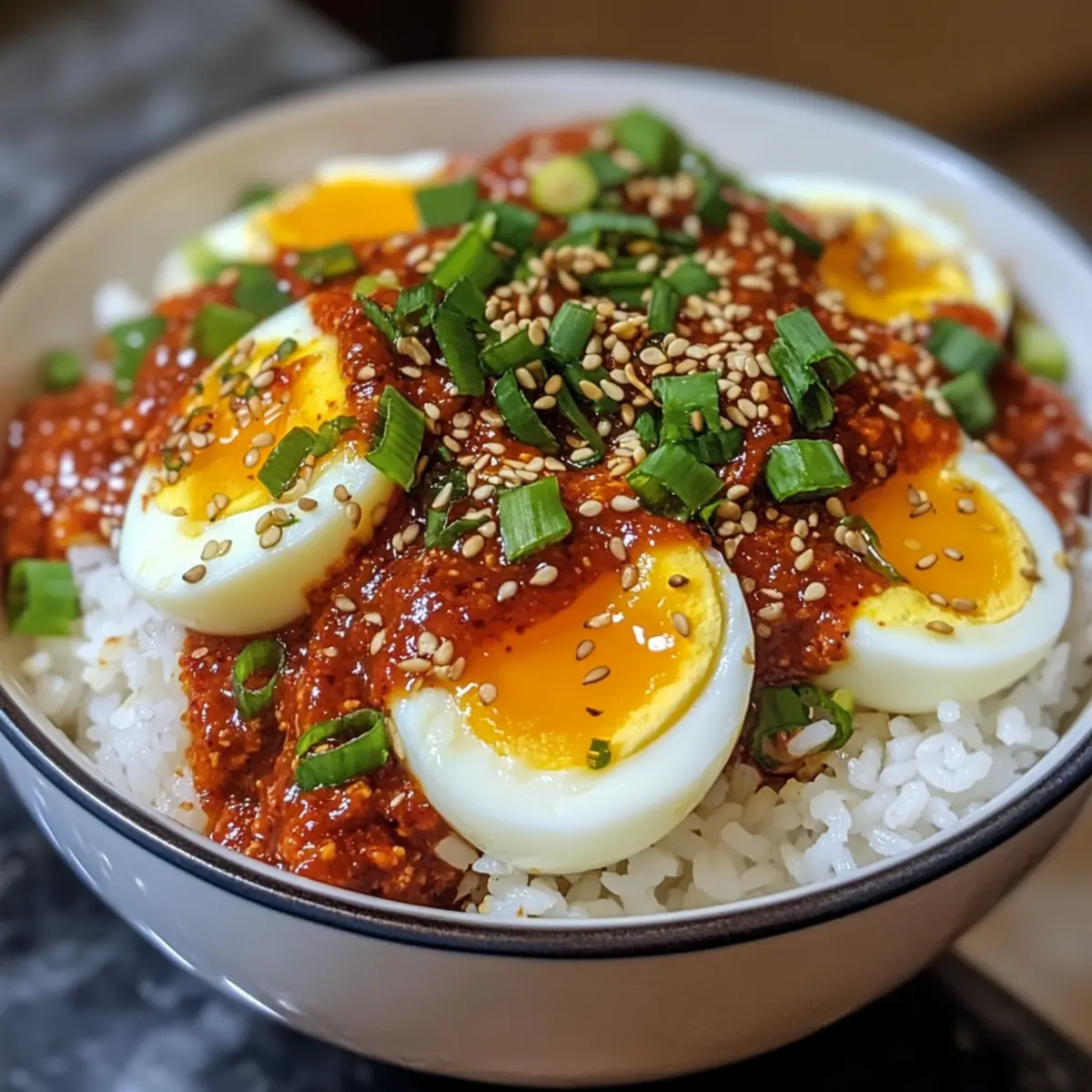
Why Are These Spicy Gochujang Eggs Special?
Bold Flavor: The explosive taste of gochujang combined with garlic and beef creates a dish that’s anything but ordinary.
Quick and Easy: This simple recipe lets you whip up a mouthwatering meal in under 30 minutes, perfect for your busy lifestyle.
Versatile Dish: Enjoy it as a satisfying breakfast, a cozy lunch, or a delightful dinner that crowds love! Pair it with sides like pickled vegetables for an added crunch.
Healthy & Hearty: Filled with protein and nutrients from the eggs and beef, it’s a nutritional powerhouse that still feels indulgent.
Whether you’re a busy professional or a home chef ready to try something new, the Spicy Gochujang Eggs will become a fast favorite—as seen in my other popular recipes like Spicy Shrimp Sushi and Baked Eggs Napoleon!
Spicy Gochujang Eggs Ingredients
For the Eggs
• Large Eggs – The main protein source, creating a rich, creamy texture. No direct substitute recommended for this recipe.
• Water – Essential for boiling eggs and creating sauce.
For the Beef Mixture
• Ground Beef – Adds heartiness and richness to the dish. Ground turkey or tofu can be used as alternatives.
• Neutral-Tasting Oil – Used for cooking the beef; vegetable or canola oil can be substitutes.
• Garlic – Provides aromatic depth and savory notes; fresh garlic recommended; garlic powder is a substitute.
• Green Onions – Adds fresh crunch and mild onion flavor; chives can be used for a milder taste.
For the Flavorful Sauce
• Korean Chili Paste (Gochujang) – The star ingredient, providing heat and depth; no substitute, but sriracha can offer a similar spice.
• Korean Chili Pepper Flakes (Gochugaru) – Adds smoky flavor and spiciness; paprika can be used for less heat.
• Soy Sauce – Adds umami and saltiness; tamari for gluten-free option.
• Oyster Sauce – Contributes sweetness and richness; mushroom sauce is a vegetarian substitute.
• Chicken Bouillon Powder – Enhances savory flavor; homemade broth can be used instead.
• Sugar & Honey – Balances the spiciness; adjust sweetness to preference.
• Black Pepper – For seasoning; freshly ground preferred.
For Serving
• Hot Steamed Rice – Serves as the base, absorbing the rich sauce; use white or brown rice.
• Toasted Sesame Oil – Enhances flavor with nuttiness; can be replaced with regular sesame oil.
• Toasted Sesame Seeds – For garnish and crunch; optional, but highly recommended for texture.
• Green Chili Pepper – Adds fresh heat (optional); substitute with jalapeño for a different spice level.
• Mild Red Chili Pepper or Red Bell Pepper – Offers sweetness and color (optional); any sweet bell pepper can be used.
These Spicy Gochujang Eggs are not only a delightful culinary journey but also a quick, nutritious meal for any occasion!
Step‑by‑Step Instructions for Spicy Gochujang Eggs
Step 1: Prep the Vegetables
Begin by preparing your vegetables for the Spicy Gochujang Eggs. Thinly slice the green onions, separating the white parts from the green. Finely chop a couple of garlic cloves for aromatic richness. If you choose to add heat, slice the green chili peppers, adjusting to your preferred spice level. Set everything aside for easy access during cooking.
Step 2: Make the Seasoning Paste
In a medium container, mix together the key flavors for your sauce. Combine gochujang, gochugaru, soy sauce, oyster sauce, chicken bouillon powder, sugar, honey, and freshly ground black pepper. Stir well until all ingredients are blended into a smooth paste. The mixture should have a vibrant red hue, signaling a delightful explosion of flavor awaits your Spicy Gochujang Eggs.
Step 3: Boil the Eggs
Fill a pot with 8 cups of water and bring it to a rolling boil over high heat. Gently lower in cold large eggs, making sure not to crack them. Boil the eggs for exactly 7 minutes for a perfectly soft yolk. Once cooked, immediately transfer the eggs into an ice water bath for 5 minutes to stop the cooking process before peeling them gently.
Step 4: Cook the Beef
In a large pan, heat a tablespoon of neutral oil over medium-high heat. Once hot, add the ground beef, stirring frequently until it’s browned and fully cooked, which should take about 5-7 minutes. Once the meat is browned, add the chopped garlic and white parts of the green onions, stirring until fragrant—around 1-2 minutes.
Step 5: Add the Sauce
Lower the heat to medium, and carefully stir the prepared seasoning paste into the beef mixture. Sauté briefly for about 1 minute until the spices are fragrant. Gradually add in 2 cups of water, stirring well. Increase the heat and bring the mixture to a boil before introducing the soft-boiled eggs into the sauce. Let it simmer for an additional 7 minutes to infuse the flavors.
Step 6: Finalize the Dish
With the heat off, stir in the green parts of the green onions, the optional chili peppers, and a drizzle of toasted sesame oil for added richness. If you have sesame seeds, sprinkle them on top for that perfect crunch. Serve your Spicy Gochujang Eggs over a bed of hot steamed rice, allowing the flavorful sauce to soak into the rice.
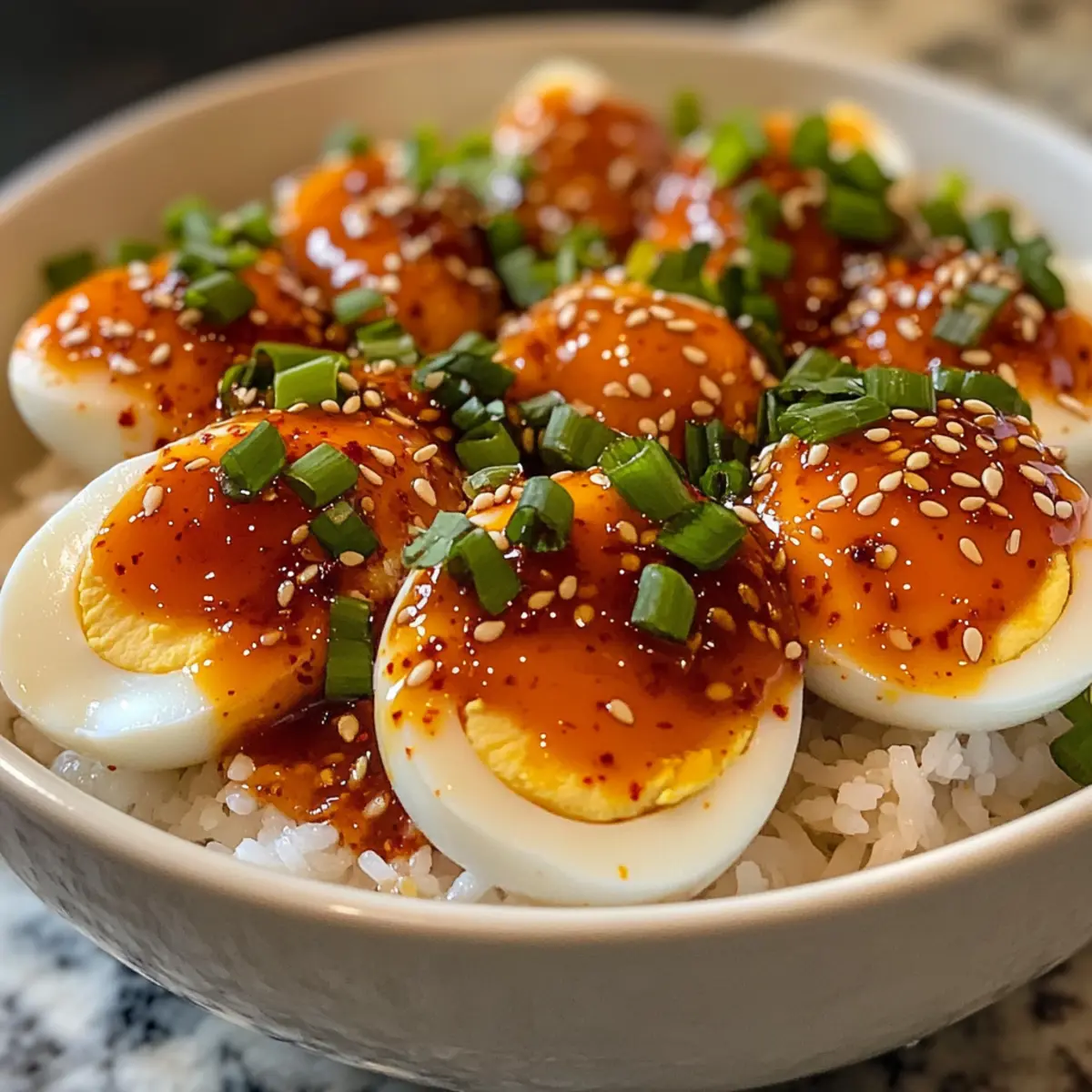
Expert Tips for Spicy Gochujang Eggs
-
Egg Perfection: Ensure your eggs are cold before boiling for perfectly centered yolks. This is key to achieving that creamy texture!
-
Gently Stir: When boiling, stir the eggs gently to maintain their position and prevent them from cracking against each other.
-
Watch the Paste: Monitor the seasoning paste closely while cooking. It can burn quickly; keep stirring to ensure even flavor distribution.
-
Customize Spice: Adjust heat levels in your Spicy Gochujang Eggs by varying the amount of green chili and gochugaru according to your preference.
-
Garnish to Impress: Don’t skip the sesame seeds; they add a delightful crunch and enhance the overall presentation of your dish!
-
Storage Savvy: Store any leftovers in an airtight container for up to three days. Reheat gently to avoid overcooking the eggs.
Variations & Substitutions for Spicy Gochujang Eggs
Feel free to unleash your creativity and make this dish uniquely yours with these delightful variations!
-
Vegetarian Option: Swap ground beef for mushrooms sautéed until golden. This adds earthy flavor while keeping it plant-based.
-
Dairy-Free: Use a dairy-free substitute for the oyster sauce to keep it rich and vegan-friendly without losing flavor depth.
-
Heat Adjustment: Use less gochugaru or omit chili peppers for a milder version that everyone in your family can enjoy.
-
Egg Types: Experiment with duck eggs for a creamier richness or quail eggs for a fun presentation.
-
Flavor Boost: Add a splash of rice vinegar to the sauce for a zesty kick that balances the spiciness beautifully.
-
Texture Twist: Top your dish with crispy fried shallots for an added crunch that contrasts with the creamy eggs.
-
Serving Suggestion: Swap rice for quinoa or cauliflower rice for a lighter, health-conscious alternative that still soaks up the wonderful sauce.
Don’t forget to check out my other delightful recipes like Creepy Deviled Eggs for festive fun or Baked Eggs Napoleon for an elegant twist on breakfast! Cooking is all about exploration—happy experimenting!
Make Ahead Options
These Spicy Gochujang Eggs are perfect for meal prep enthusiasts! You can prepare the seasoning paste—mixing gochujang, gochugaru, soy sauce, and other ingredients—up to 24 hours in advance, refrigerate it in an airtight container, and it will maintain its flavor beautifully. Additionally, you can boil the eggs and store them in the fridge for up to 3 days; the ice bath helps keep them fresh and prevents overcooking. When you’re ready to serve, simply heat the beef mixture, stir in the boiled eggs to warm them through, and finish with green onions and sesame oil for that mouthwatering result that feels fresh and vibrant, even on your busiest nights!
What to Serve with Spicy Gochujang Eggs
Enhance your meal experience with these delightful accompaniments that bring out the best in your dish.
-
Steamed Broccoli:
This nutritious side offers a fresh, vibrant crunch that beautifully contrasts the richness of the eggs and beef. -
Pickled Vegetables:
The tangy crunch of pickled radishes or cucumbers cuts through the spice, adding a refreshing bite that brightens each mouthful. -
Cucumber Salad:
Cool, thinly sliced cucumbers drizzled with sesame oil and soy sauce provide a light, crunchy texture that complements the dish perfectly. -
Kimchi:
The fermented zing of spicy kimchi is a staple in Korean meals, enhancing the umami flavors and adding depth to your dinner. -
Hot Steamed Rice:
As the essential base of the dish, fluffy rice absorbs the delectable sauce, balancing the heat and rounding out the flavors beautifully. -
Sesame Noodles:
Silky noodles tossed with sesame oil and a hint of chili pepper offer a delightful texture, making every bite of your meal a savory adventure. -
Green Tea:
This soothing beverage not only calms the palate after the spicy kick but also complements the rich flavors with its subtle earthiness. -
Chocolate Mousse:
End your meal on a sweet note; a creamy, decadent chocolate mousse offers a satisfying contrast to the savory and spicy elements of the dinner.
Storage Tips for Spicy Gochujang Eggs
- Fridge: Store leftovers in an airtight container for up to 3 days. This preserves the flavors and texture of the Spicy Gochujang Eggs.
- Freezer: If you want to store for longer, freeze the beef and sauce mixture (without eggs) for up to 2 months. Reheat thoroughly before serving with freshly boiled eggs.
- Reheating: When ready to enjoy, gently reheat the Spicy Gochujang Eggs on the stovetop over low heat. This method avoids overcooking the eggs while warming the sauce nicely.
- Airtight Guidance: For optimal freshness, ensure containers are sealed tightly to prevent any flavor loss or spoilage.
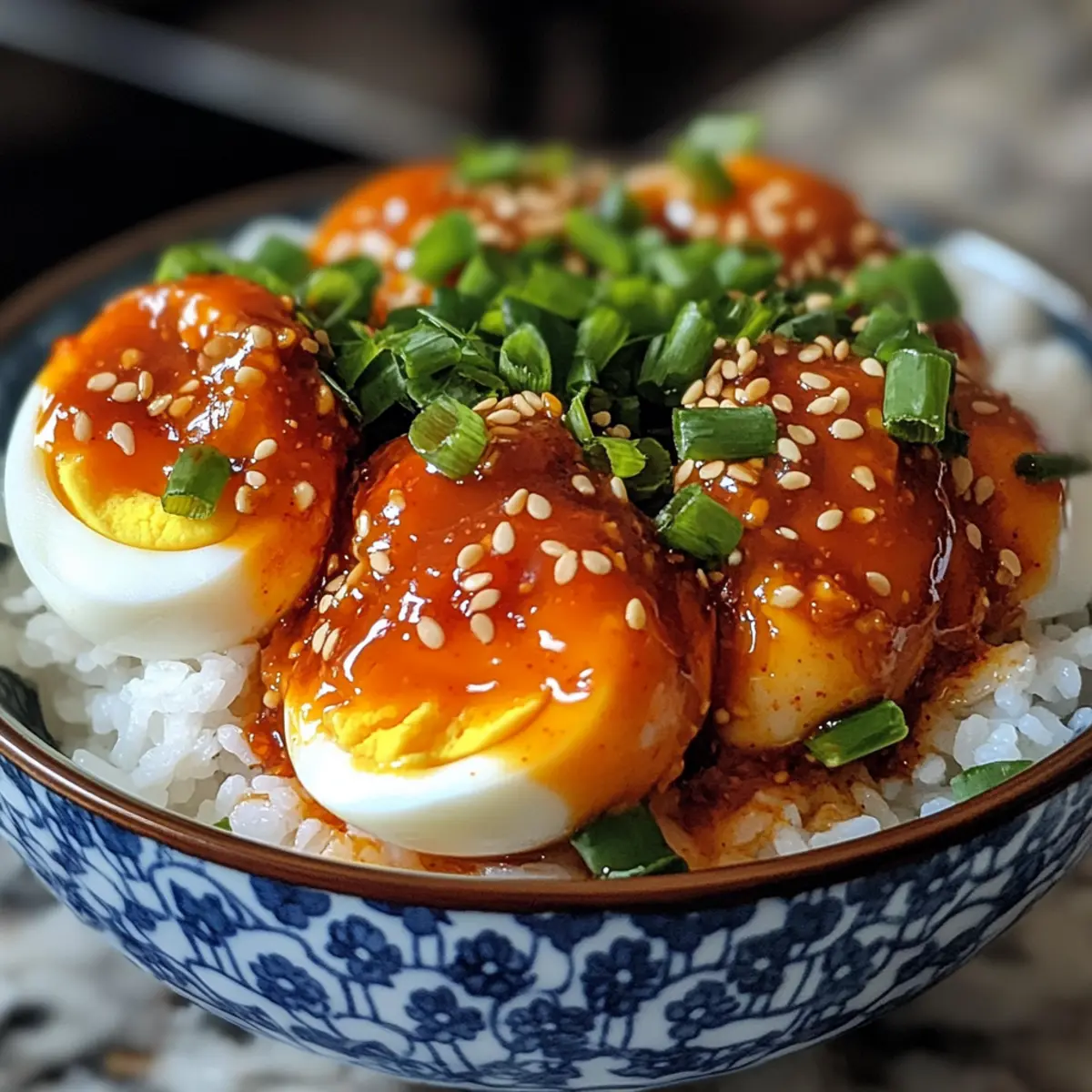
Spicy Gochujang Eggs Recipe FAQs
How do I choose the right eggs for the recipe?
Absolutely! For Spicy Gochujang Eggs, it’s best to use large eggs that are fresh for the best flavor and texture. Look for eggs that have a smooth, unblemished shell and are free from dark spots or cracks. Fresh eggs produce a creamier yolk, which pairs perfectly with the spicy sauce!
How should I store leftovers of Spicy Gochujang Eggs?
To keep your delicious leftovers fresh, store them in an airtight container in the refrigerator for up to 3 days. Make sure to separate the eggs from the sauce to help maintain their texture. When you’re ready to enjoy again, gently reheat them on the stovetop over low heat to avoid overcooking.
Can I freeze Spicy Gochujang Eggs?
Yes! To freeze this dish, I recommend removing the eggs and freezing just the beef and sauce mixture in an airtight container for up to 2 months. When ready to serve, thaw in the refrigerator overnight and prepare fresh soft-boiled eggs to accompany the reheated beef and sauce for the best results.
What if I overcooked the eggs?
Very! If you find that your eggs are overcooked, meaning the yolks are too firm, try this next time: reduce the boiling time to 6 minutes for a softer center. Additionally, using the ice water bath right after boiling is crucial in stopping the cooking process. Don’t worry; even overcooked eggs can still be delicious in the sauce!
Are there any dietary considerations I should keep in mind?
Absolutely! For those avoiding pork or gluten, you can opt for ground turkey instead of beef and use tamari in place of soy sauce to make the dish gluten-free. Also, note that gochujang contains fermented soybeans, so be mindful if you have soy allergies. For the spice-sensitive, adjust the chili levels according to what suits your palate best!
Can I substitute ingredients if I don’t have what’s listed?
Absolutely! In a pinch, if you’re missing gochujang, you can use sriracha as a substitute for a similar heat level, although it won’t have the same depth of flavor. For the beef, using ground turkey or tofu can yield great results without losing that hearty feel. Just adjust the seasoning to taste!
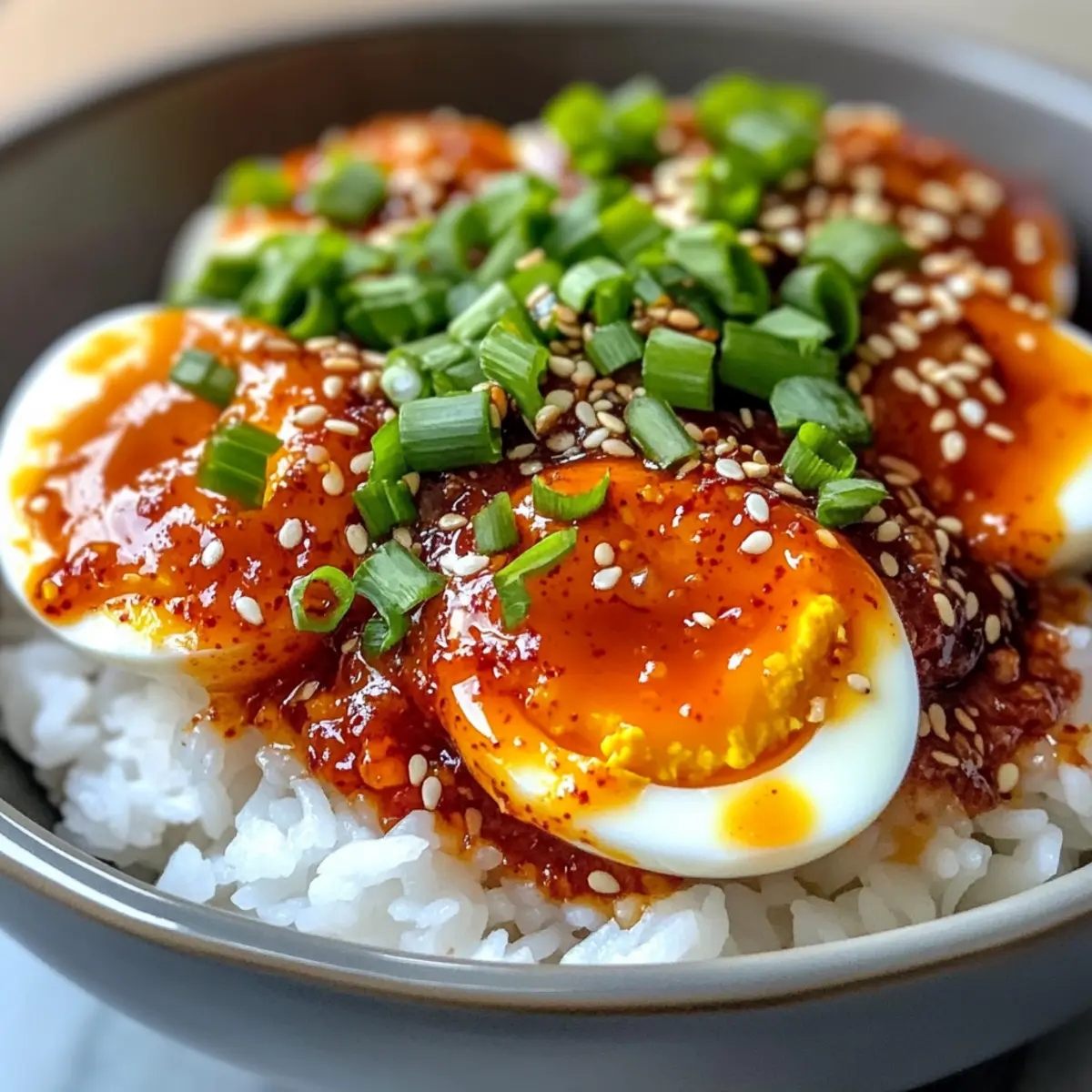
Spicy Gochujang Eggs: A Bold Flavor Boost for Your Meals
Ingredients
Equipment
Method
- Thinly slice the green onions, separating the white parts from the green.
- Finely chop garlic cloves for aromatic richness.
- Slice green chili peppers if desired for extra heat.
- Mix together gochujang, gochugaru, soy sauce, oyster sauce, chicken bouillon powder, sugar, honey, and black pepper in a medium container.
- Boil 8 cups of water in a pot.
- Gently lower in the eggs and boil for 7 minutes.
- Transfer the eggs to an ice water bath for 5 minutes.
- Peel the eggs gently.
- Heat neutral oil in a pan over medium-high heat.
- Add ground beef and cook until browned, about 5-7 minutes.
- Add chopped garlic and white parts of green onions; stir until fragrant.
- Stir the seasoning paste into the beef mixture and sauté briefly.
- Add 2 cups of water and bring to a boil.
- Introduce soft-boiled eggs and simmer for 7 minutes.
- Stir in green parts of green onions, optional chili peppers, and toasted sesame oil.
- Serve over hot steamed rice.
Leave a Reply