
As I took a deep breath, the warm aroma of spices enveloped my kitchen, transforming it into a cozy oasis. This Anti-Inflammatory Turmeric Chicken Soup is my go-to remedy for those chillier days when comfort food feels like a warm hug. Packed with nourishing ingredients and a vibrant touch of turmeric, it’s the perfect dish to ease your soul while delighting your taste buds. Not only is this recipe quick to whip up, but it also offers a hearty, one-pot meal that caters to various dietary needs—gluten-free, Paleo, and even a vegetarian twist. Whether you’re prepping for a family dinner or making meal prep easier for the week ahead, this soup promises to revive your spirit and add a dash of sunshine to your plate. Curious to learn just how simple it is to make this comforting bowl of goodness? Let’s dive in!
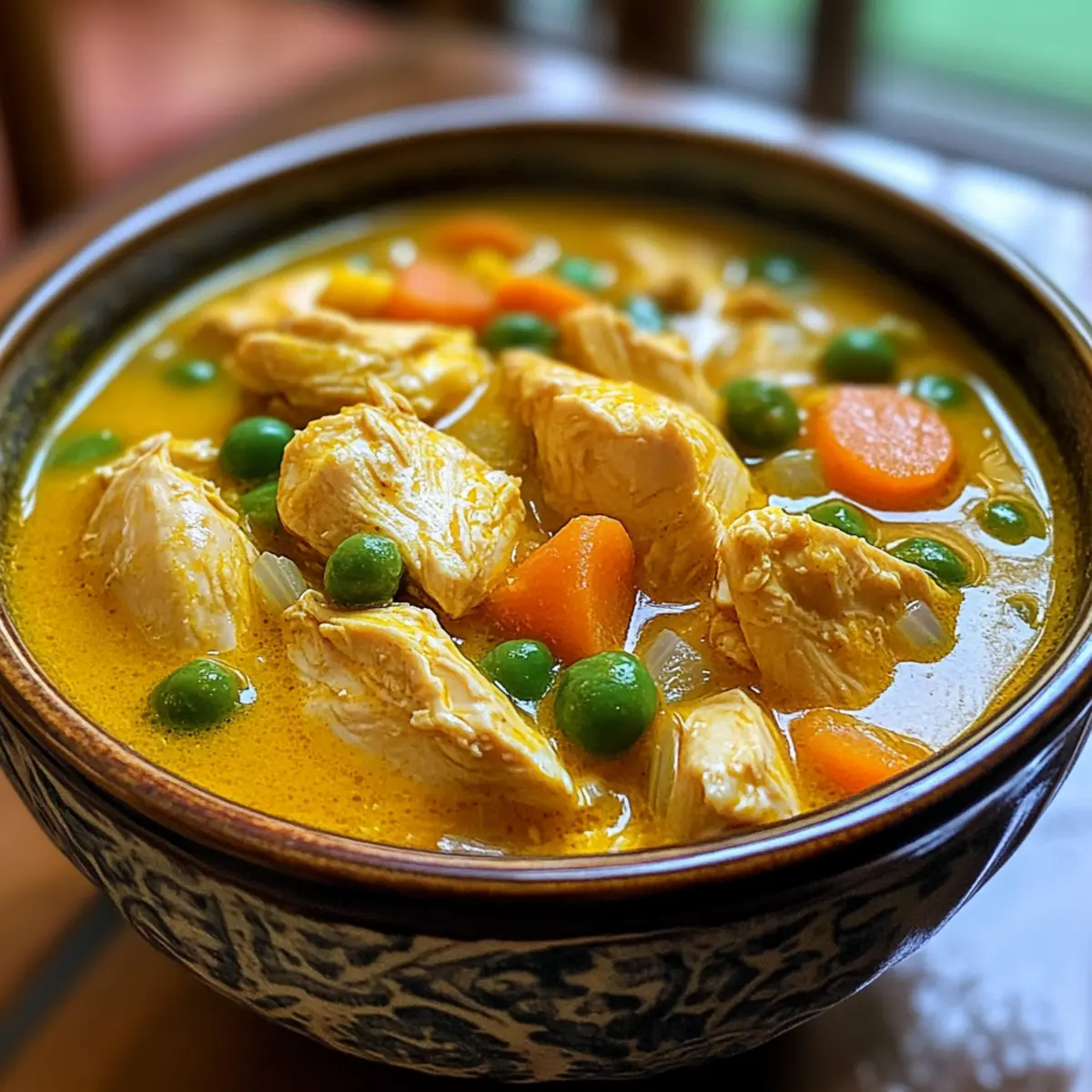
Why is Turmeric Chicken Soup a Must-Try?
Flavorful Comfort: This soup is packed with fresh vegetables and spices, creating a warm and inviting dish that wraps you in comfort with every spoonful.
Nutritional Powerhouse: Rich in anti-inflammatory properties thanks to turmeric, this soup not only tastes good but also nourishes your body.
Customizable Delight: Easily adaptable, you can experiment with your favorite veggies or switch chicken for chickpeas to create your perfect blend.
One-Pot Wonder: Perfect for busy weeknights, this recipe minimizes cleanup while maximizing deliciousness, like other family favorites such as Hot Honey Chicken and Garlic Parmesan Chicken.
Quick & Easy: Ready in about 30 minutes, it offers a speedy solution to your hunger without sacrificing flavor or quality.
Turmeric Chicken Soup Ingredients
• For the Soup Base
- Leeks – Adds a mild onion flavor; substitute with finely diced onions for a stronger taste.
- Onions – Provides essential base flavor; omit if preferred, or swap with extra leeks.
- Carrots – Offer natural sweetness and vibrant color; parsnips can be a delicious alternative.
- Celery – Contributes aromatic depth; can be replaced with finely diced fennel or omitted.
- Peas – Bring sweetness and pleasing texture; frozen peas are a convenient option, but fresh work too.
• For the Protein
- Chicken (breast or thighs) – The main protein; thighs are juicier and more flavorful; for a vegetarian option, use chickpeas.
• For the Broth
- Chicken Broth – Serves as the flavorful base; use homemade or store-bought, or opt for vegetable broth for a veg-friendly twist.
• For the Creaminess
- Coconut Milk – Adds a rich, creamy texture; almond milk can be a lighter alternative, or you can omit it for a brothier soup.
• For the Flavor
- Turmeric – Infuses health benefits and a warm earthy flavor; use fresh turmeric for a more pronounced taste.
- Spices (such as salt, pepper, and additional spices) – Essential for seasoning; adjust to your taste preferences, especially for this delicious Turmeric Chicken Soup.
Step‑by‑Step Instructions for Turmeric Chicken Soup
Step 1: Prep Ingredients
Begin by cleaning and chopping your leeks, onions, carrots, celery, and peas. Aim for even-sized pieces to ensure they cook uniformly and maintain a lovely texture. Set aside your chopped vegetables for easy access during cooking, creating a vibrant medley that will flavor your Turmeric Chicken Soup beautifully.
Step 2: Sauté Vegetables
In a large pot, heat two tablespoons of oil over medium heat. Add the leeks and onions to the pot, stirring gently until they become translucent, about 4-5 minutes. This step creates a fragrant base that sets the stage for the rich flavors to develop in your Turmeric Chicken Soup.
Step 3: Add Aromatics
Once the onions are translucent, stir in the chopped carrots and celery. Continue to sauté the mixture for approximately 3-4 minutes until the vegetables start to soften and their colors brighten. You should see a lively contrast of hues, indicating that your soup is brimming with flavor potential.
Step 4: Combine Chicken & Broth
Now, add the chicken pieces to the pot along with your chicken broth and any spices you’re using. Turn up the heat to bring the mixture to a gentle boil. As the broth heats, you’ll enjoy the aromatic blend of spices and chicken, filling your kitchen with warmth and inviting aromas that promise comfort in a bowl.
Step 5: Simmer
Once your pot reaches a boil, reduce the heat to low, cover, and let the soup simmer for about 20-25 minutes. During this time, the chicken will cook through and absorb the flavors of the broth, while the vegetables continue to soften and meld together, creating a harmonious blend in your Turmeric Chicken Soup.
Step 6: Shred Chicken
After the chicken is thoroughly cooked, carefully remove it from the pot using tongs. Allow it to cool slightly, then shred or dice the chicken into bite-sized pieces. Return the chicken to the pot, stirring well to incorporate it back into the flavorful soup, ensuring every spoonful is packed with goodness.
Step 7: Finish with Coconut Milk & Peas
Stir in the coconut milk and frozen peas, and bring the soup back to a gentle simmer for about 3-4 minutes until the peas are heated through. The creamy coconut milk will enrich the soup’s texture, providing a delightful contrast to the tender chicken and vibrant vegetables, creating a comforting Turmeric Chicken Soup experience.
Step 8: Serve
Finally, taste your soup and adjust the seasonings as needed, adding salt or pepper to enhance the flavors. Serve your warm Turmeric Chicken Soup hot, garnishing with fresh herbs or a sprinkle of additional spices, if desired. This final touch elevates the comforting aroma and presentation, ready to delight everyone at your table.
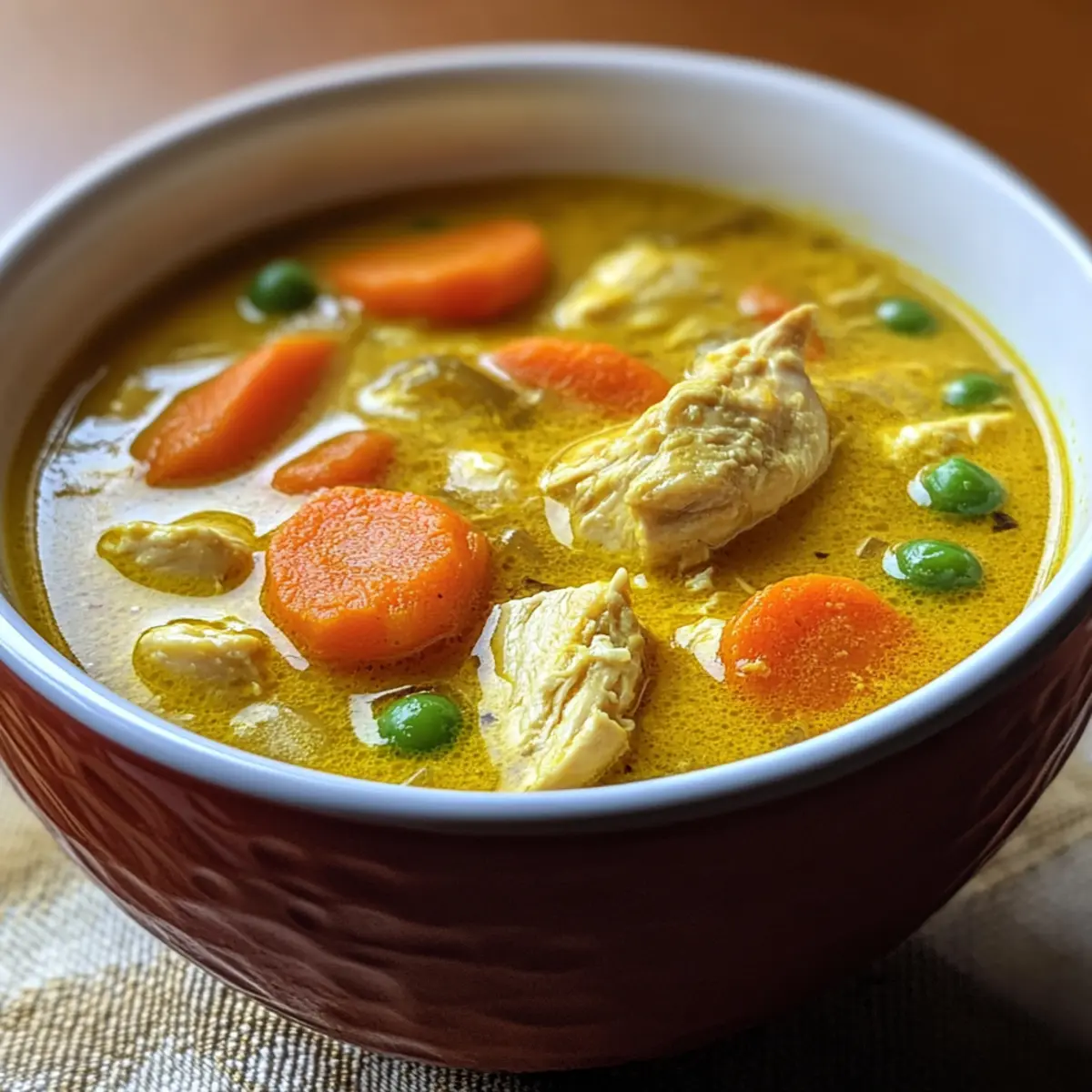
Expert Tips for Turmeric Chicken Soup
• Fresh Ingredients: Use fresh vegetables and spices for the best flavor. Dried spices can’t replicate the warmth and vibrancy of fresh turmeric in this soup.
• Avoid Overcooking: To keep chicken moist, don’t overcook it during simmering. Check for doneness, as overcooked chicken will become tough and dry.
• Quality Broth Matters: A high-quality chicken broth enhances flavor greatly. If using store-bought, opt for low-sodium options to control saltiness.
• Experiment with Veggies: Feel free to experiment with different vegetables! Spinach or kale can add nutrients, while potatoes add heartiness to your Turmeric Chicken Soup.
• Mind the Creaminess: If your soup becomes too thick after adding coconut milk, add more broth gradually until you reach your desired consistency.
• Storage Solution: Leftovers can be stored in the refrigerator for up to 5-6 days. For longer storage, freeze portions for a quick meal later!
Make Ahead Options
These Turmeric Chicken Soup ingredients are perfect for meal prep, letting you save time on busy weeknights. You can chop all your vegetables up to 24 hours in advance; simply store them in an airtight container in the refrigerator to maintain freshness. Additionally, you can cook the chicken and broth mixture ahead of time and refrigerate it for up to 3 days—this allows the flavors to deepen. When you’re ready to enjoy your soup, simply reheat the mixture, stir in the coconut milk and peas, and simmer for a few minutes until heated through. This method ensures you’ll have a delicious, comforting bowl of soup waiting for you with minimal effort!
How to Store and Freeze Turmeric Chicken Soup
Fridge: Keep your Turmeric Chicken Soup in an airtight container for up to 5-6 days. Make sure it cools completely before sealing to maintain freshness.
Freezer: For longer storage, freeze your soup in a freezer-safe container for up to 4 months. Portion out servings for easy reheating.
Thawing: Thaw frozen soup overnight in the fridge or use the microwave’s defrost setting when you’re ready to enjoy it again.
Reheating: Reheat on the stovetop over medium heat, adding a splash of broth or water to loosen the texture if it thickens too much during storage.
Variations & Substitutions for Turmeric Chicken Soup
Feel free to make this delicious soup your own by trying out these fun, flavorful adaptations!
- Dairy-Free: Use coconut cream instead of coconut milk for an extra rich and creamy texture.
- Vegetarian Twist: Swap chicken for chickpeas or white beans, ensuring a hearty and satisfying meatless meal. The chickpeas will soak up the surrounding flavors beautifully.
- Extra Veggies: Toss in chopped spinach, kale, or zucchini towards the end of cooking for added nutrients and a vibrant touch. These greens will wilt nicely, adding both color and health benefits.
- Spice It Up: Add a pinch of cayenne or red pepper flakes for a warming kick. Start small, tasting as you go until it reaches your preferred spice level.
- Grain Options: Substitute white rice with brown rice or quinoa in your soup for an added fiber boost, turning this dish into a wholesome grain bowl.
- Root Veggie Upgrade: Include diced sweet potatoes or butternut squash for a hint of sweetness and extra heartiness, cooking them along with the spices initially. They’ll bring a delightful texture and flavor to the dish.
- Broth Variations: Experiment with homemade vegetable broth instead of chicken broth for a lighter option, perfect for those seeking a vegetarian-friendly recipe.
- Herb Infusion: Enhance the flavors with fresh herbs like cilantro or parsley added just before serving to brighten the soup and provide a fresh twist. Pairing with freshly chopped herbs elevates the dish, making every serving delightful.
These simple variations can turn this Anti-Inflammatory Turmeric Chicken Soup into a creative masterpiece that suits your tastes—like the delightful Hot Honey Chicken or the comforting Sticky Garlic Chicken. Enjoy experimenting!
What to Serve with Anti-Inflammatory Turmeric Chicken Soup
Transform your cozy bowl of soup into a complete and mouthwatering meal with these delightful pairings.
-
Crusty Bread: Perfect for dipping, it complements the soup’s creaminess while adding a satisfying crunch to each bite.
-
Fresh Green Salad: A light and zesty salad with citrus dressing creates a refreshing contrast to the rich soup, energizing your taste buds.
-
Garlic Breadsticks: Soft and buttery, these flavorful sticks make the ideal accompaniment for sopping up that soothing broth.
-
Quinoa Salad: Serve a nutritious side of quinoa mixed with diced veggies; its nutty flavor beautifully enhances the turmeric notes in the soup.
-
Savory Roasted Vegetables: Roasted carrots, zucchini, and bell peppers add depth and caramelization that perfectly balance the soup’s warmth.
-
Hot Herbal Tea: A soothing cup of chamomile or mint tea provides a gentle complement, enhancing the cozy, warming experience that this turmeric chicken soup offers.
-
Coconut Rice: Creamy coconut rice can add a fragrant twist to the meal, echoing the coconut milk in the soup and creating a delightful harmony.
-
Chocolate Avocado Mousse: Finish your meal on a sweet note with a rich, creamy dessert that contrasts beautifully with the savory soup flavors.
Embrace a holistic dining experience that will leave you feeling nourished and satisfied.

Turmeric Chicken Soup Recipe FAQs
How do I choose the right ingredients for Turmeric Chicken Soup?
Absolutely! For the best flavor and texture, aim for fresh, vibrant vegetables. When selecting leeks, pick ones that are firm and free from dark spots. For carrots and celery, choose brightly colored varieties without bruises. The chicken should be fresh, and look for a nice pink color without any grayish tinge. Using fresh turmeric is ideal for a robust flavor, but if unavailable, a high-quality ground turmeric works well.
How should I store my leftover Turmeric Chicken Soup?
To savor your soup later, refrigerate it in an airtight container for 5-6 days. Make sure to let it cool fully before sealing; this helps maintain its freshness. If you’d like to store it longer, freezing is a fantastic option! Just keep it in a freezer-safe container for up to 4 months, making sure to leave some space for expansion as it freezes.
Can I freeze Turmeric Chicken Soup, and how do I do it?
Very! To freeze your soup, let it cool to room temperature, then pour it into freezer-safe containers or freezer bags. Leave about an inch of space at the top to allow for expansion. Label the containers with the date and type of soup, then lay them flat in the freezer for easier storage. When you’re ready to enjoy it again, simply thaw overnight in the fridge or use your microwave’s defrost setting, and your soup will be ready to reheat!
What if my soup is too thick after reheating?
The more the merrier when it comes to consistency! If your soup thickens after storage, simply add a splash of chicken or vegetable broth, or even a bit of water, as you reheat it on the stovetop. Stir continuously until you achieve your desired consistency. Remember, the key is to heat it gently over medium heat to avoid scorching the bottom.
Is there a vegetarian option for this Turmeric Chicken Soup?
Absolutely! For a vegetarian twist, simply replace the chicken with protein-rich chickpeas or your favorite beans. Use vegetable broth instead of chicken broth to maintain the flavor profile. This way, you can enjoy all the deliciousness and health benefits of the soup while adhering to dietary preferences.
Can pets eat Turmeric Chicken Soup?
It’s best to keep this soup away from your pets. While turmeric is safe for cats and dogs in small amounts, many ingredients in the soup—like onions, garlic, and salt—can be harmful to them. Always consult with your veterinarian before introducing any human food into your pet’s diet.
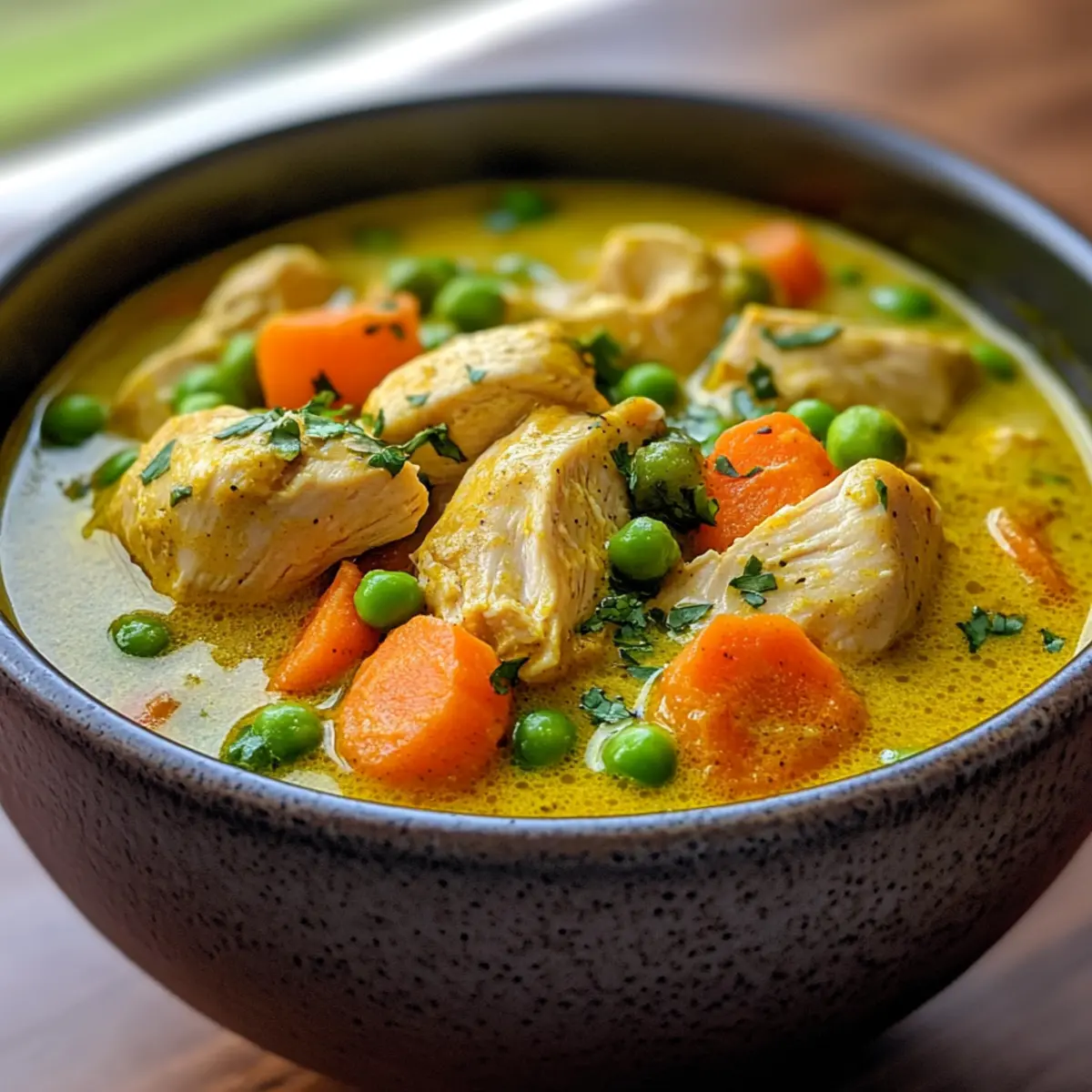
Warm Up with Healing Turmeric Chicken Soup for Comfort
Ingredients
Equipment
Method
- Begin by cleaning and chopping your leeks, onions, carrots, celery, and peas. Set aside.
- In a large pot, heat two tablespoons of oil over medium heat. Add the leeks and onions, stirring until they become translucent, about 4-5 minutes.
- Once the onions are translucent, stir in the chopped carrots and celery. Continue to sauté for approximately 3-4 minutes.
- Add the chicken pieces to the pot along with your chicken broth and any spices you’re using. Bring to a gentle boil.
- Once boiling, reduce the heat to low, cover, and let the soup simmer for about 20-25 minutes.
- After cooking, remove the chicken from the pot, shred it, and return it to the pot.
- Stir in the coconut milk and frozen peas, bringing the soup back to a gentle simmer for about 3-4 minutes.
- Taste and adjust seasonings as needed. Serve hot, garnishing with fresh herbs or additional spices if desired.
Leave a Reply