
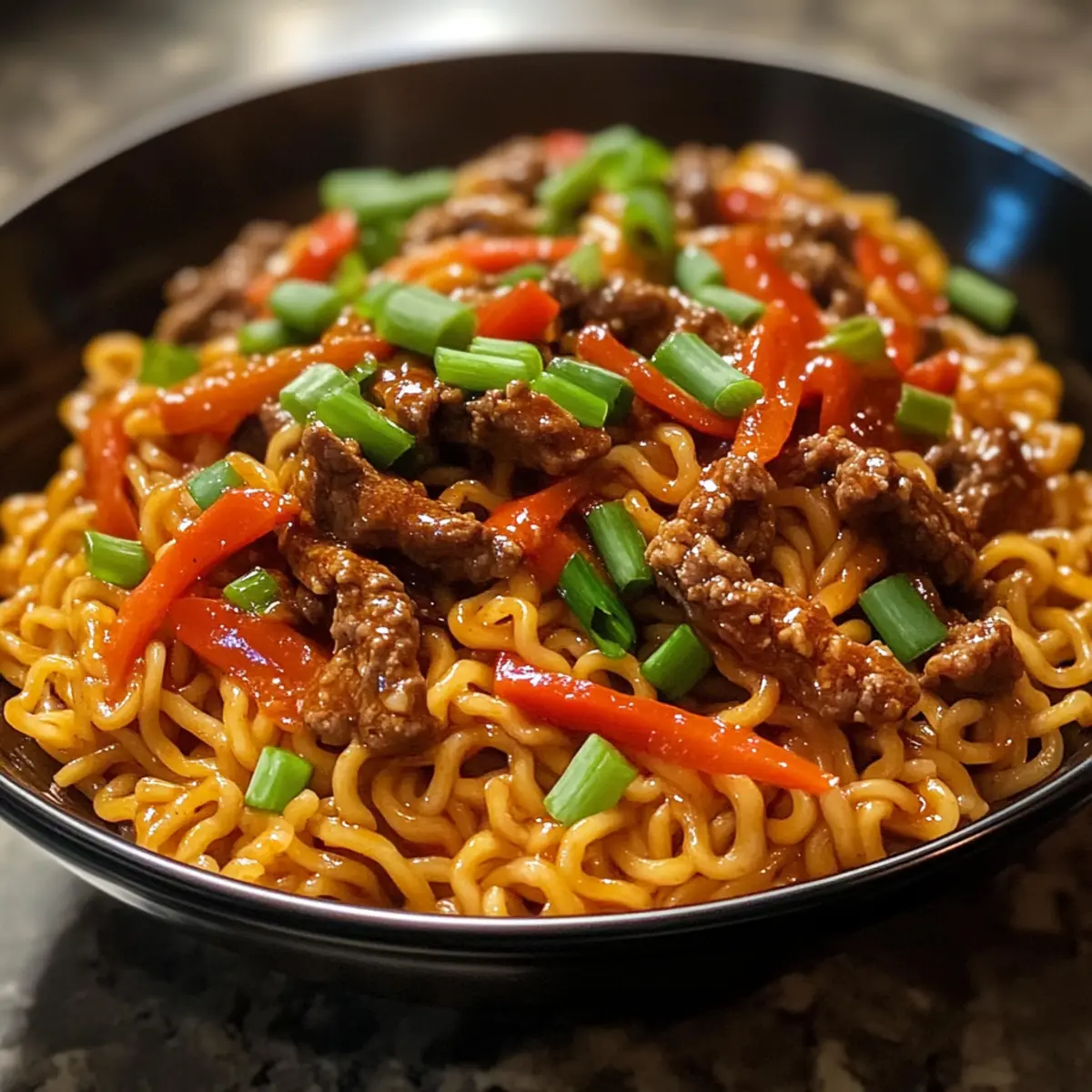
As I twirled a steaming forkful of Spicy Korean Gochujang Beef Noodles, the vibrant colors and enticing aroma pulled me right into a bustling Seoul street market. This dish not only captures the bold, spicy essence of Korean cuisine but also offers a delightful mix of savory flavors while being ready in just 30 minutes—a true lifesaver for busy weeknights! Whether you opt for tender beef, succulent chicken, or even tofu, the customizable nature of these noodles means everyone at your table can enjoy their own version. Plus, with the option to make it gluten-free, it’s a dish that adapts to suit every palate. Ready to embark on this taste adventure with me? Let’s dive into the delicious details!
Why Are These Noodles So Appealing?
Versatile Protein Options: Whether you prefer beef, chicken, shrimp, pork, or tofu, this recipe accommodates your cravings seamlessly.
Quick to Prepare: Ready in just 30 minutes, it’s perfect for a busy weeknight dinner!
Bold, Vibrant Flavors: The combination of gochujang, soy sauce, and fresh veggies creates a taste sensation that will take you straight to Korea.
Crowd-Pleasing Favorite: A guaranteed hit at any gathering, these noodles will impress your family and friends. You can even serve these with a twist by making easy Mexican Ground Beef tacos!
Easy Customization: Adjust the spice level to your liking—add more gochujang for an extra kick, or keep it milder for the kids.
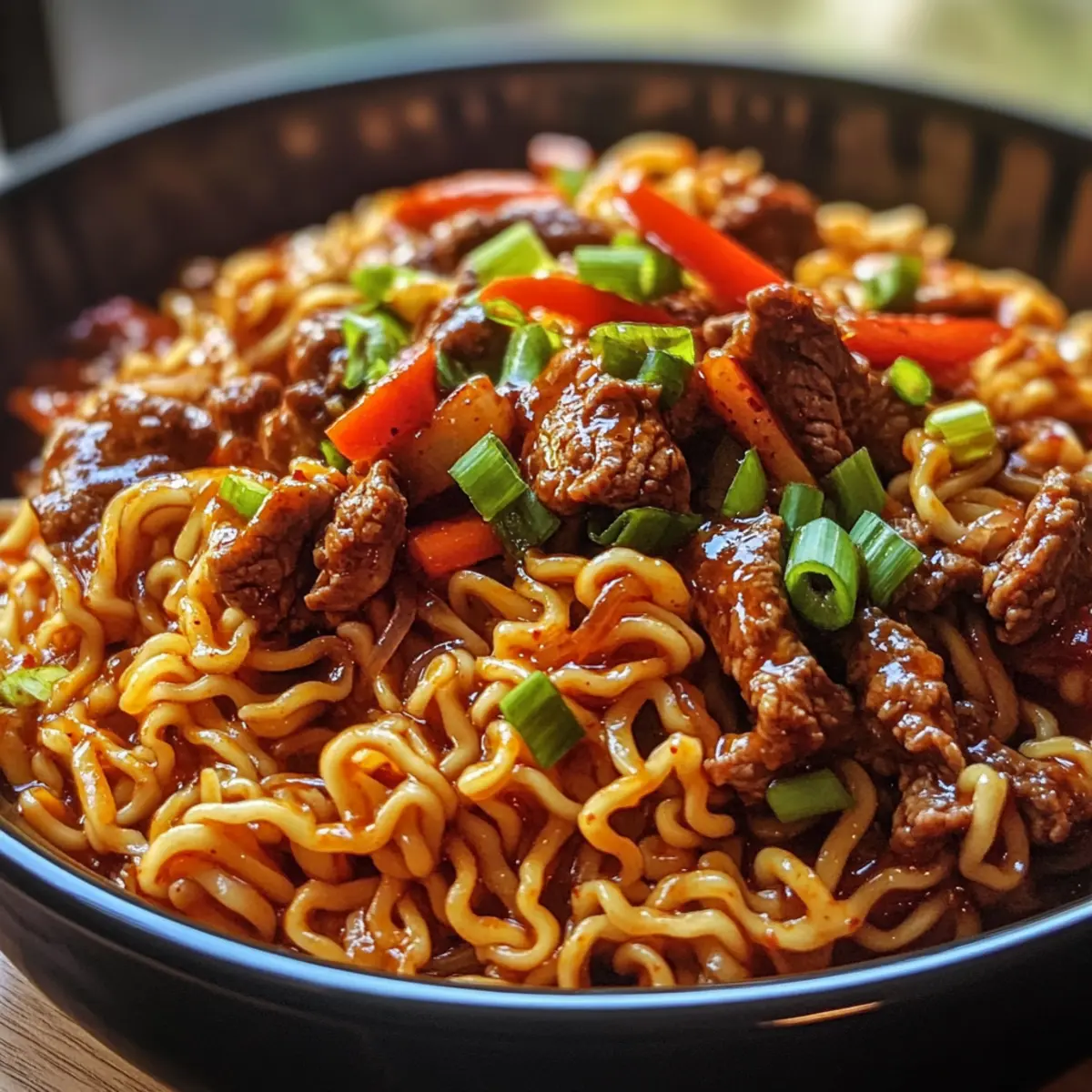
Satisfying Texture: The chewy noodles, tender beef or protein, and crunchy veggies make every bite a delightful experience!
Korean Gochujang Beef Noodles Ingredients
For the Protein
• Beef Sirloin – Main protein source, tender and cooks quickly; substitute with chicken, pork, shrimp, or tofu as desired.
For the Sauce
• Soy Sauce – Provides saltiness and umami; use low-sodium for a healthier option.
• Gochujang – Korean chili paste that adds heat and depth; adjust to taste for your preferred spice level.
• Brown Sugar – Balances out the spiciness; honey or maple syrup can be used as a substitute.
• Rice Vinegar – Adds a tangy note; substitute with apple cider vinegar for a different flavor.
• Sesame Oil – Offers nuttiness and richness; if unavailable, use olive oil instead.
For the Vegetables
• Garlic (3 cloves) – Freshly minced enhances flavor; garlic powder can be used in a pinch.
• Onion (1, sliced) – Adds sweetness; choose yellow or red onion; green onions make a great garnish.
• Red Bell Pepper (1, sliced) – Brings crunch and sweetness; any color bell pepper works well.
For the Base
• Cooked Noodles (8 ounces) – The foundation of the dish; any type of noodle can be used, including gluten-free options.
For Garnishing
• Sesame Seeds – Adds texture; optional but enhances presentation.
• Sliced Green Onions – Fresh garnish that brightens the dish and adds a pop of color.
Now that we have all these delicious components ready, you’re just a few steps away from creating your own Korean Gochujang Beef Noodles masterpiece!
Step‑by‑Step Instructions for Korean Gochujang Beef Noodles
Step 1: Prep Ingredients
Begin by thinly slicing the beef sirloin against the grain for tenderness. Mince the garlic and slice the onion and red bell pepper into thin strips. Cook the noodles according to the package instructions until al dente, then drain and set aside, ready to join your flavorful mix.
Step 2: Heat Oil
In a large skillet or wok, pour in 2 tablespoons of vegetable oil and heat it over medium-high heat. You’ll know it’s ready when the oil shimmers but doesn’t smoke. This hot oil will be key to achieving that delicious, browned flavor on your beef in the upcoming steps.
Step 3: Cook Beef
Add the sliced beef to the skillet in a single layer, cooking for about 3-4 minutes without stirring to achieve a nice sear. Flip the beef once it’s browned, then remove it from the skillet and set it aside. This creates a rich flavor base for your Korean Gochujang Beef Noodles.
Step 4: Sauté Aromatics
In the same skillet, add the minced garlic and sliced onion, stirring them for about 2-3 minutes until they become fragrant and translucent. This step infuses the oil with aromatic flavors, enhancing the overall taste of your dish. Keep an eye on them to prevent burning!
Step 5: Add Vegetables
Now stir in the sliced red bell pepper, cooking for an additional 2-3 minutes until they’re slightly tender but still vibrant. The color contrast will look fantastic in your final dish. This step adds sweetness and crunch, complementing the beef beautifully.
Step 6: Prepare Sauce
In a separate bowl, whisk together the soy sauce, brown sugar, gochujang, sesame oil, and rice vinegar for the sauce. Make sure the brown sugar dissolves completely, creating a smooth, slightly thick mixture. This vibrant sauce will elevate your Korean Gochujang Beef Noodles to new flavor heights.
Step 7: Combine
Pour the prepared sauce mixture into the skillet with the sautéed vegetables. Stir well to evenly coat the veggies, allowing them to absorb the flavors. The mixture will start bubbling, creating a delightful aroma that promises a mouthwatering meal ahead.
Step 8: Reinstate Beef
Return the cooked beef to the skillet and toss it with the vegetable mixture, ensuring everything is well-coated in the sauce. Cook for an additional minute to heat the beef through and allow it to absorb some of that delicious sauce flavor.
Step 9: Add Noodles
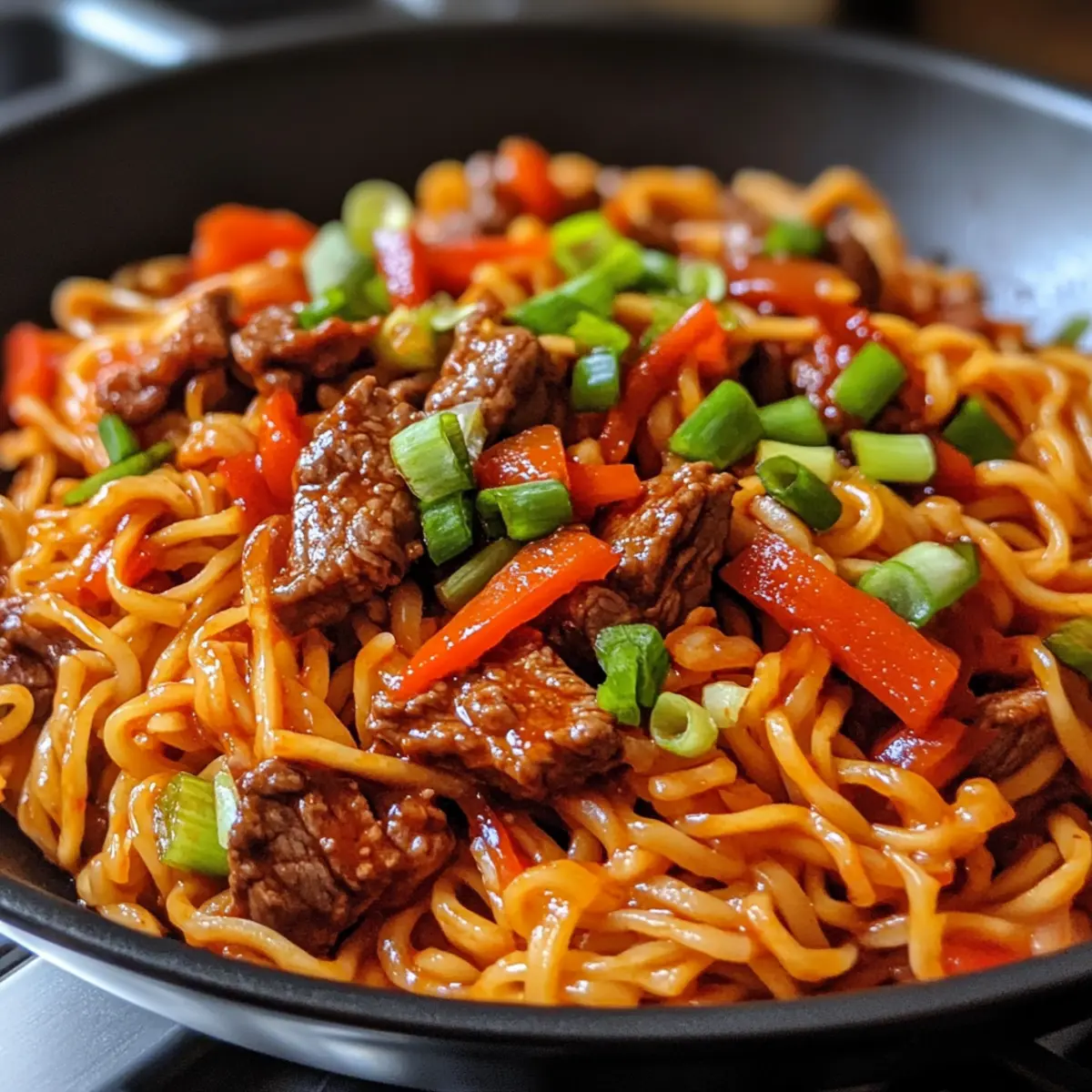
Introduce the cooked noodles into the skillet, tossing everything together until the noodles are fully coated in the spicy-sweet sauce. This step is crucial as it binds all the flavors, making your Korean Gochujang Beef Noodles a harmonious blend of ingredients.
Step 10: Heat Through
Continue cooking everything together for another 2-3 minutes until the noodles are heated through and every bite is packed with flavor. Stir occasionally to prevent sticking and ensure even heat distribution. A vibrant color and coated noodles signify it’s almost ready!
Step 11: Garnish and Serve
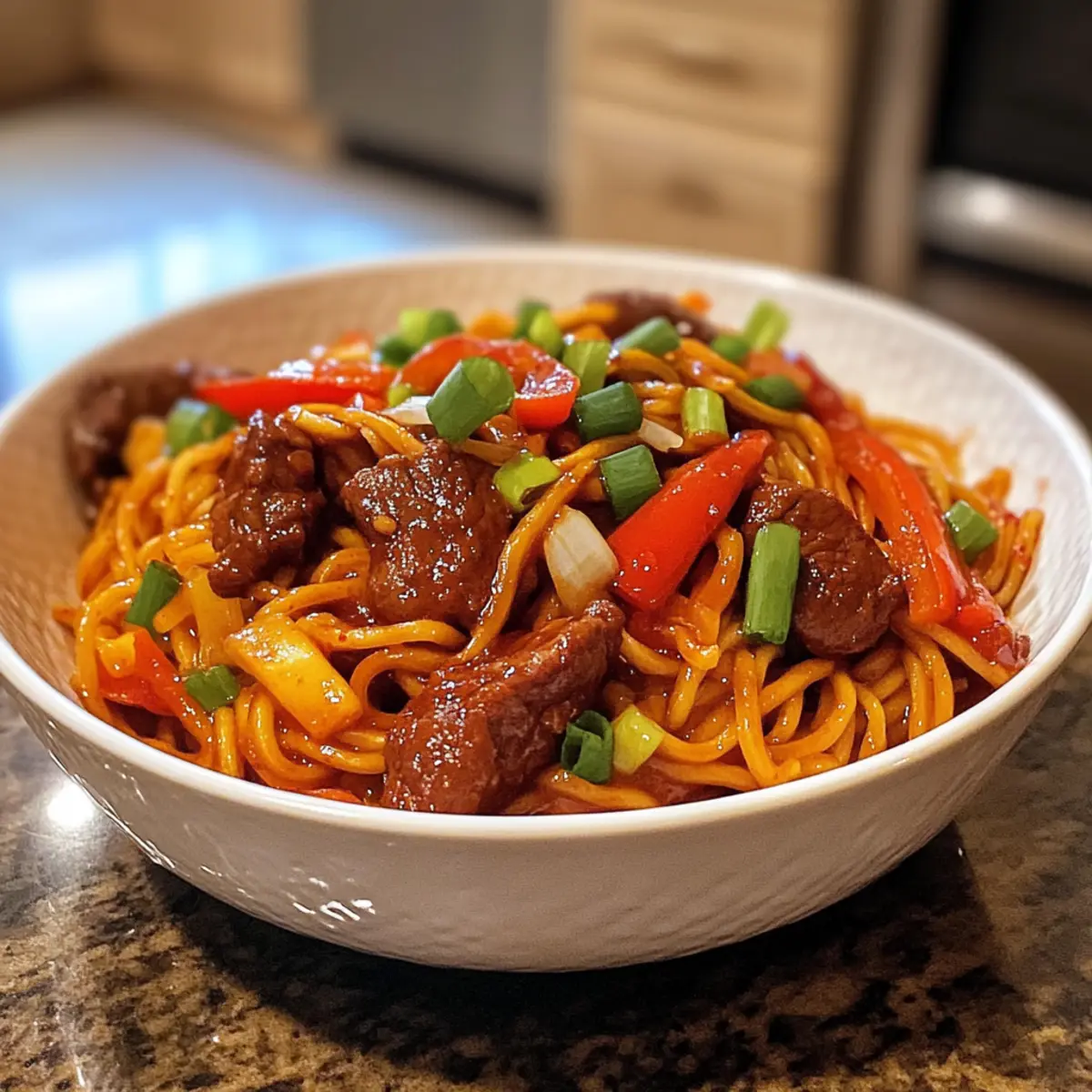
Once cooked, remove the skillet from heat and dish out the Korean Gochujang Beef Noodles to serving plates. Garnish generously with sesame seeds and sliced green onions, adding a fresh touch. Now you’re ready to serve up this stunning dish that’s bursting with flavor!
Korean Gochujang Beef Noodles Variations
Feel free to make this dish your own and experiment with flavors, textures, and dietary preferences!
- Dairy-Free: Leave out any dairy-based toppings like creamy sauces or cheese and boost flavors with more gochujang.
- Gluten-Free: Use gluten-free noodles or rice noodles to cater to gluten sensitivities while enjoying the same delicious flavors.
- Protein Swap: Substitute beef with chicken, pork, shrimp, or tofu for a fresh twist that keeps your taste buds guessing.
- Vegetable Boost: Add an extra layer of texture by incorporating sautéed spinach, bok choy, or mushrooms—these veggies absorb the flavorful sauce wonderfully!
- Extra Spicy: If you’re a heat lover, increase the amount of gochujang or toss in some sliced fresh jalapeños for a fiery kick.
- Sweet Savory Balance: Try a hint of pineapple or mango for a sweet twist that pairs beautifully with the gochujang’s spiciness.
- Cold Noodle Salad: Toss leftover noodles with crisp veggies and a light sesame dressing for a refreshing take, perfect for warm days.
- Bibimbap Style: Serve your noodles topped with a fried egg and a sprinkle of sesame seeds and fresh herbs for a delightful presentation and taste experience.
These variations will help keep your recipe feelings fresh every time you whip up a batch of these delightful Korean Gochujang Beef Noodles. For more delicious inspiration, you can also explore my easy-to-make Teriyaki Ground Beef Stir-Fry or dive into a satisfying plate of Beef Broccoli Savory. Enjoy discovering your favorites!
Make Ahead Options
These Spicy Korean Gochujang Beef Noodles are perfect for meal prep enthusiasts! You can slice the beef, mince the garlic, and chop the vegetables up to 24 hours in advance, storing them in the refrigerator in airtight containers to maintain freshness. Additionally, you can prepare the sauce and refrigerate it for the same timeframe. When you’re ready to cook, simply cook the noodles according to package instructions, then sautée the beef and vegetables as instructed. After adding the sauce, mix in the cooked noodles, and heat everything through for delicious, hassle-free results that taste just as amazing as if you made them fresh!
Expert Tips for Korean Gochujang Beef Noodles
-
Slice with Care: Thinly slice the beef against the grain for tenderness. This will ensure the meat remains juicy in your Korean Gochujang Beef Noodles.
-
Sauce Adjustments: Taste and modify the sauce as you prepare it. If it’s too salty, add a little more brown sugar to balance flavors without losing spice.
-
Avoid Overcrowding: When cooking the beef, cook it in batches if necessary. Overcrowding the pan can cause steaming instead of browning, which affects the flavor.
-
Don’t Skip Rinsing: If using leftover noodles, rinse them under cold water before adding to the skillet. This helps prevent clumping and ensures your dish has a perfect texture.
-
Customize Spice Level: Adjust the amount of gochujang depending on your spice preference. Start with a little and increase until it’s just right for your family.
-
Fresh Garnishes Enhance Flavor: Finish with a sprinkle of sesame seeds and freshly sliced green onions. They don’t just look great; they add freshness and crunch to your Korean Gochujang Beef Noodles!
What to Serve With Spicy Korean Gochujang Beef Noodles
Elevate your dining experience by complementing this spicy dish with delightful sides that bring out the best flavors.
-
Creamy Kimchi Coleslaw: This crunchy, tangy slaw balances the heat of the noodles and adds a refreshing texture to each bite. It’s perfect for those who love a bit of zing with their meal.
-
Steamed Broccoli: Healthy and vibrant, steamed broccoli offers a tender bite that pairs well with the robust flavors of the noodles. It’s a simple side that enhances visual appeal on your plate.
-
Garlic Fried Rice: A deliciously fragrant addition, garlic fried rice absorbs any extra sauce from the noodles and brings its own savory flavors to the table. The combination is irresistible, creating a satisfying meal experience.
-
Sweet Potato Fries: Crispy and slightly sweet, these fries provide a delightful contrast to the spicy noodles, making every bite an adventure. They’re easy to prepare and offer a fun finger-food option.
-
Chilled Cucumber Salad: Light and refreshing, this salad balances the spiciness of the dish and adds a cool, crunchy element that’s perfect for a warm evening.
-
Mango Lassi: This creamy yogurt drink is a wonderful way to tame the heat! Its sweetness and coolness create a heavenly pairing with the bold flavors of the Korean Gochujang Beef Noodles.
-
Chocolate Mochi Ice Cream: For dessert, indulge in some icy chocolate mochi. It’s a delightful way to end your meal, combining a chewy texture with a creamy filling that leaves you satisfied without being overly full.
How to Store and Freeze Korean Gochujang Beef Noodles
Fridge: Store leftovers in an airtight container for up to 3-4 days. Reheat gently on the stove with a splash of water to prevent drying out.
Freezer: For longer storage, freeze the noodles in a single layer on a baking sheet, then transfer to an airtight container for up to 3 months. Thaw before reheating.
Reheating: To enjoy your Korean Gochujang Beef Noodles, reheat them in a skillet over medium heat, stirring occasionally until heated through. Add a bit of soy sauce for extra flavor if desired.
Separated Ingredients: Consider freezing the cooked noodles separately from the sauce and protein. This helps maintain texture and flavor during storage and reheating.
Spicy Korean Gochujang Beef Noodles Recipe FAQs
What type of beef is best for this recipe?
Absolutely! For the best flavor and tenderness, I recommend using beef sirloin. It cooks quickly and remains juicy. However, you can easily substitute it with chicken, pork, shrimp, or tofu if you prefer a different protein.
How should I store leftovers of the Spicy Korean Gochujang Beef Noodles?
You can store any leftovers in an airtight container in the refrigerator for up to 3-4 days. When you’re ready to enjoy them again, simply reheat in a skillet over medium heat with a splash of water to keep them from drying out—quick and easy!
Can I freeze the Spicy Korean Gochujang Beef Noodles?
Yes! To freeze, place the cooked noodles in a single layer on a baking sheet until firm, then transfer them to an airtight container for up to 3 months. For best results, consider freezing the noodles separately from the sauce and protein to maintain their texture. When you’re ready to reheat, thaw in the refrigerator overnight before warming gently in a skillet.
What if my noodles end up sticky when reheating?
The more the merrier! If your noodles seem sticky after reheating, don’t worry. Add a splash of soy sauce or a drizzle of sesame oil while you toss them in the skillet. This will help separate them and add extra flavor as they heat through. Just keep stirring gently until everything warms up nicely.
Is there a gluten-free option for this recipe?
Very! To make these Spicy Korean Gochujang Beef Noodles gluten-free, opt for gluten-free soy sauce and choose noodles made from rice or other gluten-free ingredients. There are several delicious options available nowadays that will let everyone enjoy this dish without worries.
How can I adjust the spice level in this dish?
Feel free to customize! Start with the recommended amount of gochujang, and then taste as you cook. If you want to ramp up the heat, add a little more gochujang to your heart’s content. On the flip side, if it’s too spicy for your family, adding a pinch more brown sugar can help balance the flavors while mellowing out the heat.
Spicy Korean Gochujang Beef Noodles
Ingredients
Equipment
Method
- Begin by thinly slicing the beef sirloin against the grain for tenderness. Mince the garlic and slice the onion and red bell pepper into thin strips. Cook the noodles according to the package instructions until al dente, then drain and set aside.
- In a large skillet or wok, pour in 2 tablespoons of vegetable oil and heat it over medium-high heat. You’ll know it’s ready when the oil shimmers.
- Add the sliced beef to the skillet in a single layer, cooking for about 3-4 minutes without stirring. Flip the beef once it’s browned, then remove it from the skillet and set it aside.
- In the same skillet, add the minced garlic and sliced onion, stirring for about 2-3 minutes until they become fragrant and translucent.
- Now stir in the sliced red bell pepper, cooking for an additional 2-3 minutes until they’re slightly tender.
- In a separate bowl, whisk together the soy sauce, brown sugar, gochujang, sesame oil, and rice vinegar for the sauce.
- Pour the prepared sauce mixture into the skillet with the sautéed vegetables. Stir well to evenly coat the veggies.
- Return the cooked beef to the skillet and toss it with the vegetable mixture, ensuring everything is well-coated in the sauce.
- Introduce the cooked noodles into the skillet, tossing everything together until the noodles are fully coated in the sauce.
- Continue cooking everything together for another 2-3 minutes until the noodles are heated through.
- Once cooked, remove the skillet from heat and dish out the Korean Gochujang Beef Noodles to serving plates. Garnish generously with sesame seeds and sliced green onions.
Leave a Reply