
The colors and textures danced before my eyes as I savored each spoonful of what I now affectionately call my Ultimate Vegan Buddha Bowl with Turmeric Tahini Sauce. What makes these healthy Buddha bowls so special is their ability to transform simple, fresh ingredients into a nutrient-packed feast that feels both comforting and revitalizing. Perfect for meal prep or as a quick weeknight dinner, this vibrant dish is a wonderful way to explore the plant-based world while keeping your taste buds satisfied. Each bite is a delightful explosion of freshness, making it a crowd-pleaser even for non-vegans! So, are you ready to creative your own take on this nourishing bowl of goodness?
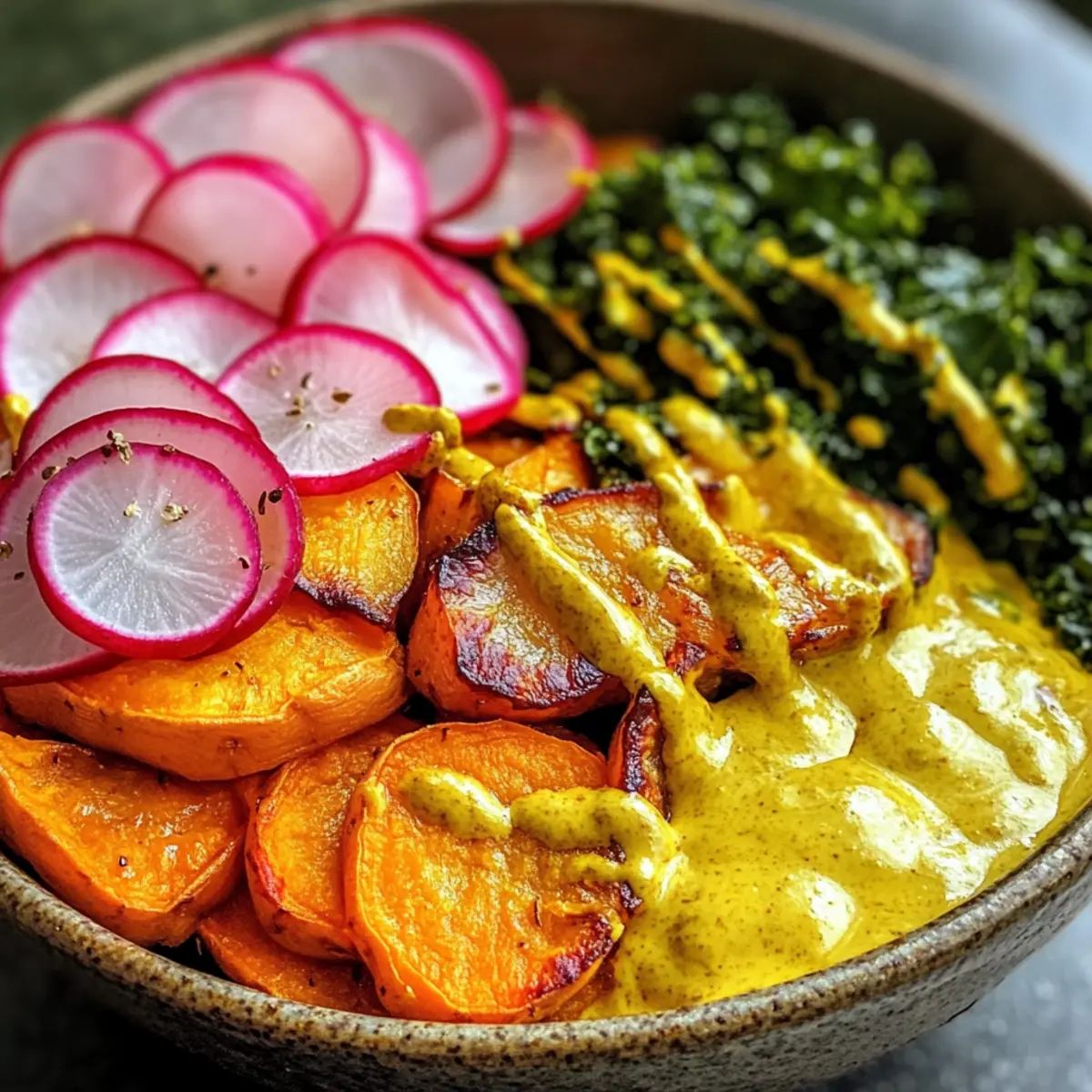
Why are Buddha bowls so popular?
Vibrant Colors: Each bowl is a feast for the eyes, showcasing a rainbow of fresh veggies that can brighten any meal.
Nutrient-Packed: Loaded with vitamins and minerals, this dish offers a wholesome balance for your health, making it perfect for those seeking nutritious options.
Endless Customization: With countless ingredient variations, you can easily adapt this recipe to your tastes. Whether you prefer quinoa or brown rice, the options are limitless!
Quick and Easy: This recipe is a breeze to assemble, ideal for busy weeknights or meal prepping. Just roast, toss, and serve for a satisfying dish in no time.
Crowd-Pleaser: Even non-vegans appreciate this hearty bowl, making it a fantastic choice for potlucks or family dinners. Explore more vibrant plant-based ideas like our Vegan Grain Bowls to keep your meals exciting!
Healthy Buddha Bowl Ingredients
For the Base
• Large Sweet Potato – A naturally sweet addition that provides a hearty texture; swap for butternut squash if desired.
• Cooked Brown Rice or Quinoa – The ideal base grain; farro or couscous are great alternatives for variety.
For the Veggies
• Kale Leaves – Nutrient-rich and filling; massage with lemon juice for a softer texture.
• Watermelon Radish or Red Radishes – Adds a nice crunch with a peppery hint; slice thinly for optimal texture.
• Medium Carrots – Bring sweetness and color; peel and cut into ribbons for a beautiful presentation.
• Shredded Red Cabbage – Offers a crunchy texture and packed with antioxidants; green cabbage can be substituted.
For the Protein
• Cooked Chickpeas or Lentils – These powerhouses introduce protein and fiber; feel free to use black beans instead for a twist.
For the Toppings
• Sauerkraut or Other Fermented Veggies – Introduce probiotics and a tangy flavor; kimchi can spice things up.
• Sesame Seeds or Hemp Seeds – Gives crunch and healthy fats; consider using pumpkin seeds for a similar texture.
• Microgreens (optional) – Just for that nutritional boost and vibrant presentation.
For the Sauce
• Turmeric Tahini Sauce – Adds creaminess and a warm flavor; make it by mixing tahini with turmeric, ginger, and a touch of maple syrup.
• Lemon Wedge – Enhances the bowl with fresh acidity; lime is a tasty alternative.
Create your own masterpiece with these healthy Buddha bowl ingredients, and let your taste buds explore this beautiful harmony of flavors!
Step‑by‑Step Instructions for Ultimate Vegan Buddha Bowl with Turmeric Tahini Sauce
Step 1: Preheat Oven
Begin by preheating your oven to 400°F (200°C). While it warms up, line a baking sheet with parchment paper to prevent the sweet potatoes from sticking. The parchment also helps in easy cleanup after roasting, ensuring you spend more time savoring your healthy Buddha bowl and less time cleaning.
Step 2: Roast Sweet Potatoes
Peel and cube the large sweet potato into bite-sized pieces. Toss these cubes in a bowl with extra-virgin olive oil, salt, and pepper, making sure they’re well-coated. Spread them evenly on your prepared baking sheet and roast for about 20 minutes, or until they turn golden brown and tender, releasing their natural sweetness.
Step 3: Prepare Veggies
While the sweet potatoes are roasting, thinly slice the watermelon radish or red radishes and peel your medium carrots into ribbons using a vegetable peeler. Place the radishes, carrot ribbons, and shredded red cabbage in a large bowl, and drizzle with a squeeze of lemon juice. Toss to combine, allowing the flavors to meld while adding brightness to your Buddha bowl.
Step 4: Massage Kale
Take the kale leaves and remove the tough stems. Place them in a separate bowl and add a squeeze of lemon juice along with a sprinkle of salt. Gently massage the kale for 2–3 minutes until it wilts and becomes tender. This step is crucial for creating a delightful texture in your healthy Buddha bowl, enhancing the overall eating experience.
Step 5: Assemble Bowls
Once your sweet potatoes are roasted, it’s time to assemble your ultimate vegan Buddha bowl! Start by layering cooked brown rice or quinoa as your base. Next, add a generous portion of chickpeas or lentils for protein, followed by the massaged kale, carrot ribbons, radishes, shredded cabbage, and roasted sweet potatoes, ensuring vibrant colors shine through each layer.
Step 6: Garnish & Serve
To finish, top your Buddha bowl with a scoop of sauerkraut or fermented veggies for that tangy kick. Drizzle your creamy turmeric tahini sauce over the top and sprinkle with sesame seeds or hemp seeds for added crunch. If you wish, garnish with fresh microgreens for an extra burst of freshness before digging into this nourishing and satisfying meal!
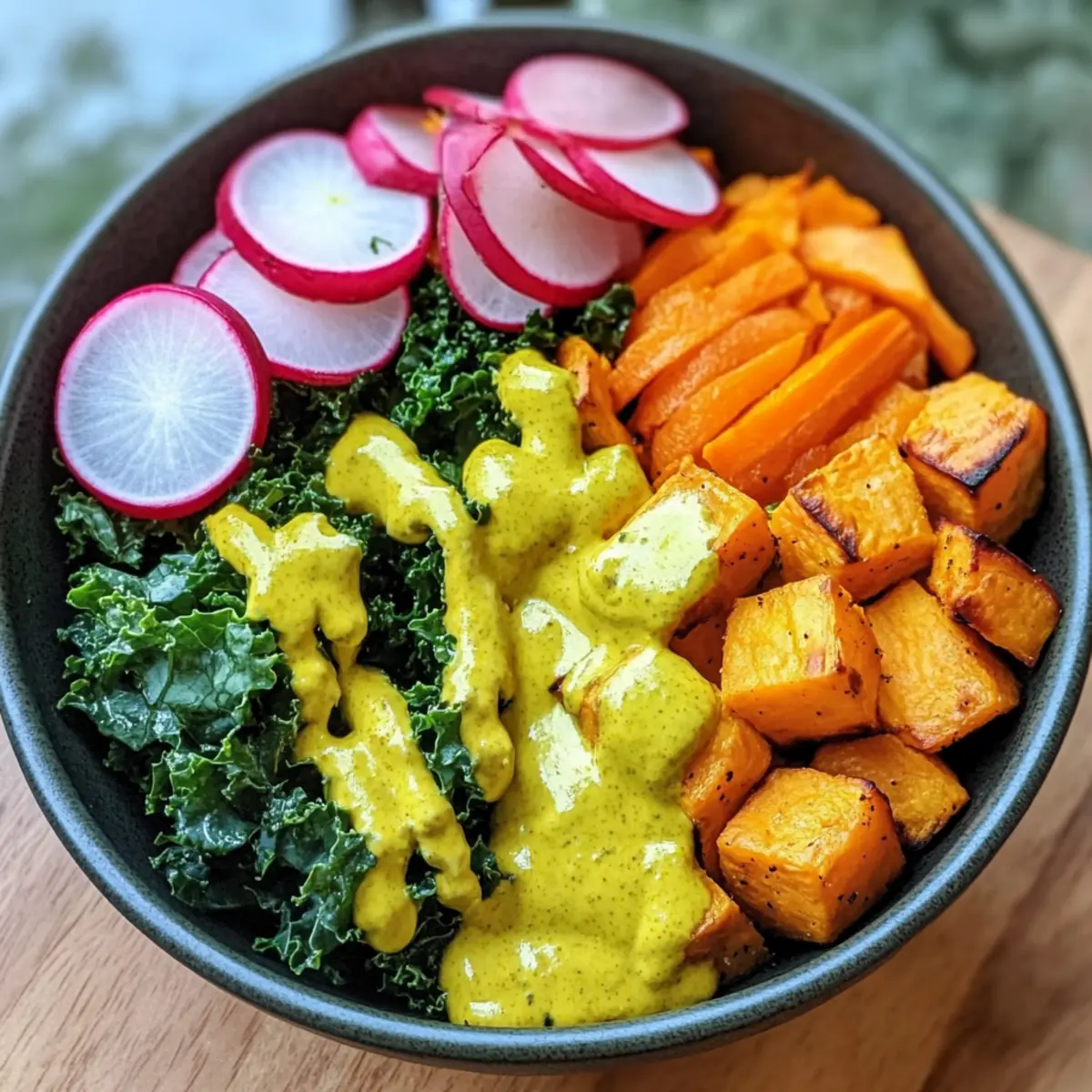
Expert Tips for Healthy Buddha Bowls
-
Ingredient Prep: Make sure your veggies are prepped uniformly; this ensures even cooking and a delightful aesthetic in your healthy Buddha bowl.
-
Seasoning Sweet Potatoes: Don’t skip the seasoning! Generously coat the sweet potatoes in olive oil, salt, and pepper to enhance their natural sweetness while roasting.
-
Kale Massage: Remember to massage your kale for at least 2–3 minutes. This vital step not only tenderizes the leaves but also makes them more flavorful.
-
Layering for Flavor: Assemble your healthy Buddha bowl by layering ingredients; start with grains, then add proteins, and finish with veggies and toppings for a harmonious blend of flavors and textures.
-
Serving Freshness: Serve your Buddha bowls with lemon wedges on the side for an extra squeeze of freshness that elevates the dish beautifully.
-
Meal Prep Ready: For meal prep, store ingredients separately to maintain freshness throughout the week, ensuring you always have a nutritious quick meal ready to go.
What to Serve with Ultimate Vegan Buddha Bowl with Turmeric Tahini Sauce
Imagine a vibrant spread of complementary dishes that take your nourishing bowl of goodness to the next level.
-
Creamy Avocado Toast: Smooth and rich, avocado toast adds a creamy texture that pairs wonderfully with the Buddha bowl’s crunchy elements. A drizzle of lime juice can brighten it even further.
-
Fresh Garden Salad: A simple side salad filled with mixed greens, cherry tomatoes, and cucumbers will enhance the freshness while providing a light, crisp contrast. Toss with a lemon vinaigrette for a zesty kick.
-
Quinoa Stuffed Peppers: These flavorful stuffed peppers not only echo the grains in your Buddha bowl but also introduce savory herbs and spices, creating an exciting medley of textures and tastes.
-
Chilled Cucumber Soup: Light and refreshing, this chilled soup serves as an excellent palate cleanser. The coolness complements the warm, roasted ingredients of your Buddha bowl beautifully.
-
Lemon Garlic Hummus: Serve this smooth hummus on the side for dipping fresh veggie sticks or pita bread. The earthy flavors and creaminess pairing nicely with your zesty turmeric tahini sauce.
-
Sparkling Lemonade: A fizzy drink like homemade sparkling lemonade adds an uplifting, refreshing element to the meal, making each bite of your Buddha bowl even more delightful.
-
Seasonal Fruit Salad: A sweet and colorful fruit salad with berries, melon, and citrus can provide a refreshing finish after your nutrient-packed bowl, leaving your palate satisfied and light.
Healthy Buddha Bowl Variations
Get ready to personalize your healthy Buddha bowl this fun way—there’s no one right way to create these vibrant, nutritious meals!
-
Gluten-Free Grains: Swap traditional grains like brown rice with quinoa or buckwheat for a gluten-free option that’s just as hearty. Quinoa brings a delightful crunch and additional protein.
-
Protein Alternatives: Replace chickpeas with baked tofu or roasted edamame for a different protein source, adding a delightful texture. Try marinated tofu for an extra flavor boost that complements all the fresh veggies.
-
Roasted Veggies: Switch up seasonal vegetables like zucchini and bell peppers to add variety and taste. Roasting brings out their natural sweetness and enriches the bowl’s flavor profile beautifully.
-
Creamy Dressings: Experiment with a creamy avocado dressing or a zesty sesame ginger sauce instead of turmeric tahini for a refreshing twist. Both will add a burst of unique flavor that transforms your Buddha bowl.
-
Spicy Kick: If you love heat, spice up your dish by adding jalapeños or a drizzle of Sriracha. This fiery addition will satisfy those craving an extra punch in their meal!
-
Fresh Herbs: Mix in fresh herbs such as cilantro or basil to elevate the freshness of your buddha bowl’s flavors. Herbs brighten the entire dish and inject layers of complexity into each bite.
-
Nutty Touch: Add a handful of toasted almonds or walnuts for a satisfying crunch and heart-healthy fats. Nuts also provide a splendid contrast to the raw and roasted ingredients for an exciting texture.
You can really make these bowls your own! For more ideas on stacking up your meals, check out our delicious Vegan Grain Bowls for inspiration that will keep your taste buds dancing.
How to Store and Freeze Healthy Buddha Bowls
Fridge: Store individual components of the healthy Buddha bowl in airtight containers for up to 4 days, allowing for easy meal prep throughout the week.
Freezer: For long-term storage, freeze the cooked brown rice or quinoa and roasted sweet potatoes in separate freezer bags. They can last up to 3 months, retaining flavor and nutrients.
Reheating: When ready to enjoy, gently reheat frozen ingredients in the microwave or on the stovetop until thoroughly heated. Add fresh veggies and the turmeric tahini sauce just before serving for best taste.
Room Temperature: Avoid leaving the assembled healthy Buddha bowl out for more than 2 hours to prevent spoilage, especially if it contains dressing or cooked ingredients.
Make Ahead Options
These Ultimate Vegan Buddha Bowls are a fantastic choice for meal prep! You can roast the sweet potatoes and prepare the turmeric tahini sauce up to 3 days in advance. Store the roasted sweet potatoes in an airtight container in the refrigerator, and keep the sauce separate to maintain freshness. Additionally, wash and slice the radishes, peel the carrots, and massage the kale a day ahead; just make sure to combine them in the bowl right before serving to avoid wilting. When you’re ready to enjoy, simply assemble the bowls by layering the prepared ingredients, adding the chickpeas, grains, and toppings for a nourishing meal that feels just as delightful as if freshly made!
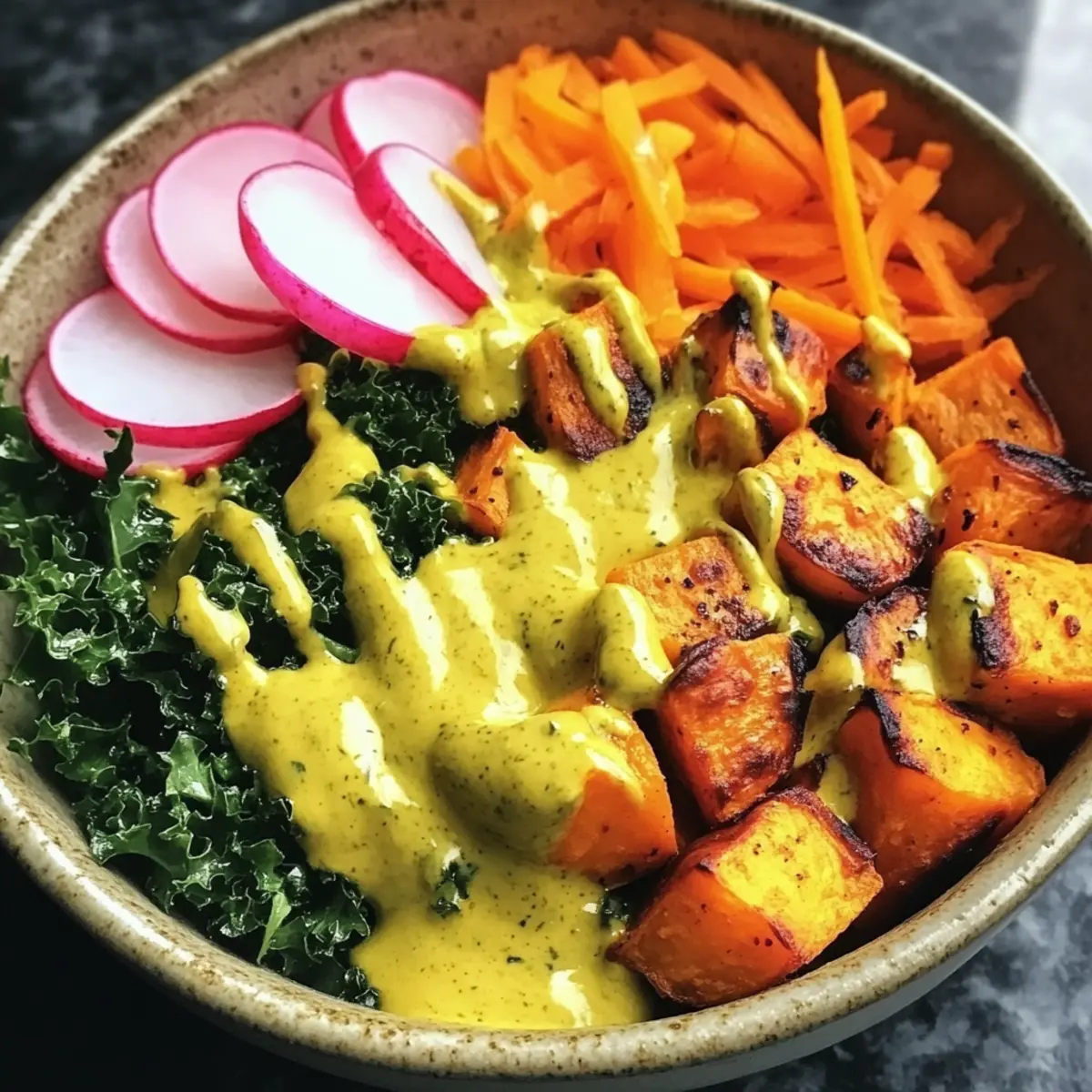
Ultimate Vegan Buddha Bowl with Turmeric Tahini Sauce Recipe FAQs
How do I choose the right sweet potatoes for my Buddha bowl?
Absolutely! Look for sweet potatoes that are firm, smooth, and free of dark spots or blemishes. They should be medium to large in size with a vibrant orange skin. Avoid any that feel soft or have wrinkles, as these may not be fresh.
What is the best way to store leftover Buddha bowl ingredients?
For sure! Store individual components in airtight containers in the fridge for up to 4 days. Keep roasted sweet potatoes, grains, and protein sources like chickpeas or lentils separate to maintain their textures and flavors.
Can I freeze my prepared ingredients for Buddha bowls?
Very much! You can freeze cooked brown rice or quinoa and roasted sweet potatoes in separate freezer bags. They will stay fresh for up to 3 months. When you’re ready to enjoy your meal, simply reheat them in the microwave. Add fresh veggies and sauce just before serving to keep everything vibrant and tasty!
What should I do if my kale is tough after massaging?
If your kale doesn’t seem to wilt properly, try adding a bit more lemon juice and salt, and massage it for an additional couple of minutes. This extra time helps break down the fibrous texture, making it more enjoyable in your bowl!
Are there any allergy considerations with this recipe?
Definitely! If you’re preparing this for someone with allergies, be cautious with tahini and any fermented ingredients, as they can contain allergens like sesame. If you’re serving pets, avoid giving them any sauerkraut or fermented veggies as some ingredients can be harmful to them.
Can I customize my Buddha bowl ingredients based on what I have on hand?
Absolutely! The beauty of Buddha bowls is their versatility. You can swap in whatever veggies, grains, or proteins you prefer. Think of using quinoa instead of brown rice or adding roasted broccoli instead of cabbage. Mix and match until it’s completely your own!
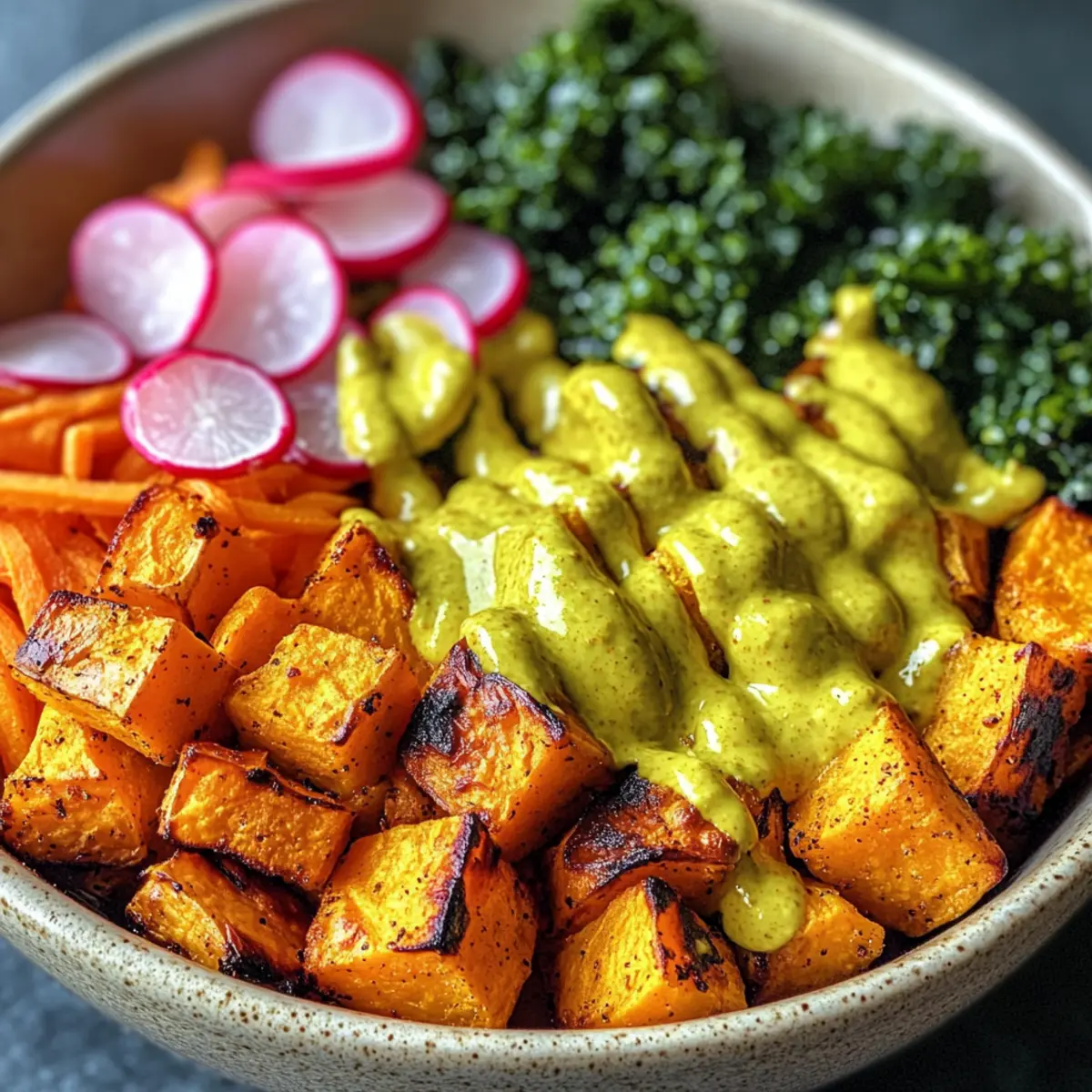
Colorful Healthy Buddha Bowls for Nourishing Plant-Powered Meals
Ingredients
Equipment
Method
- Preheat your oven to 400°F (200°C) and line a baking sheet with parchment paper.
- Peel and cube the sweet potato into bite-sized pieces, toss with olive oil, salt, and pepper, and roast for about 20 minutes.
- Thinly slice the watermelon radish or red radishes and peel carrots into ribbons. Mix in a bowl with lemon juice.
- Remove tough stems from kale, massage with lemon juice and salt for 2-3 minutes until tender.
- Assemble bowls with cooked brown rice or quinoa, chickpeas or lentils, massaged kale, carrot ribbons, radishes, shredded cabbage, and roasted sweet potatoes.
- Top with sauerkraut, drizzle with turmeric tahini sauce, and sprinkle with seeds.
Leave a Reply