
As I sipped my green tea after a long day, a delightful craving hit me—something creamy, spicy, and utterly satisfying. Enter Gochujang Pasta! This dish brings together the fiery notes of Korean Gochujang and the beloved comfort of creamy pasta, all in under 15 minutes. Whether you’re hosting a casual dinner or looking to impress on date night, this meal is sure to spark joy in the kitchen. Plus, it’s easy to customize; you can make it gluten-free or vegan without compromising on flavor. Ready to stir up some excitement in your typical dinner routine? Let’s dive into this mouthwatering recipe together!
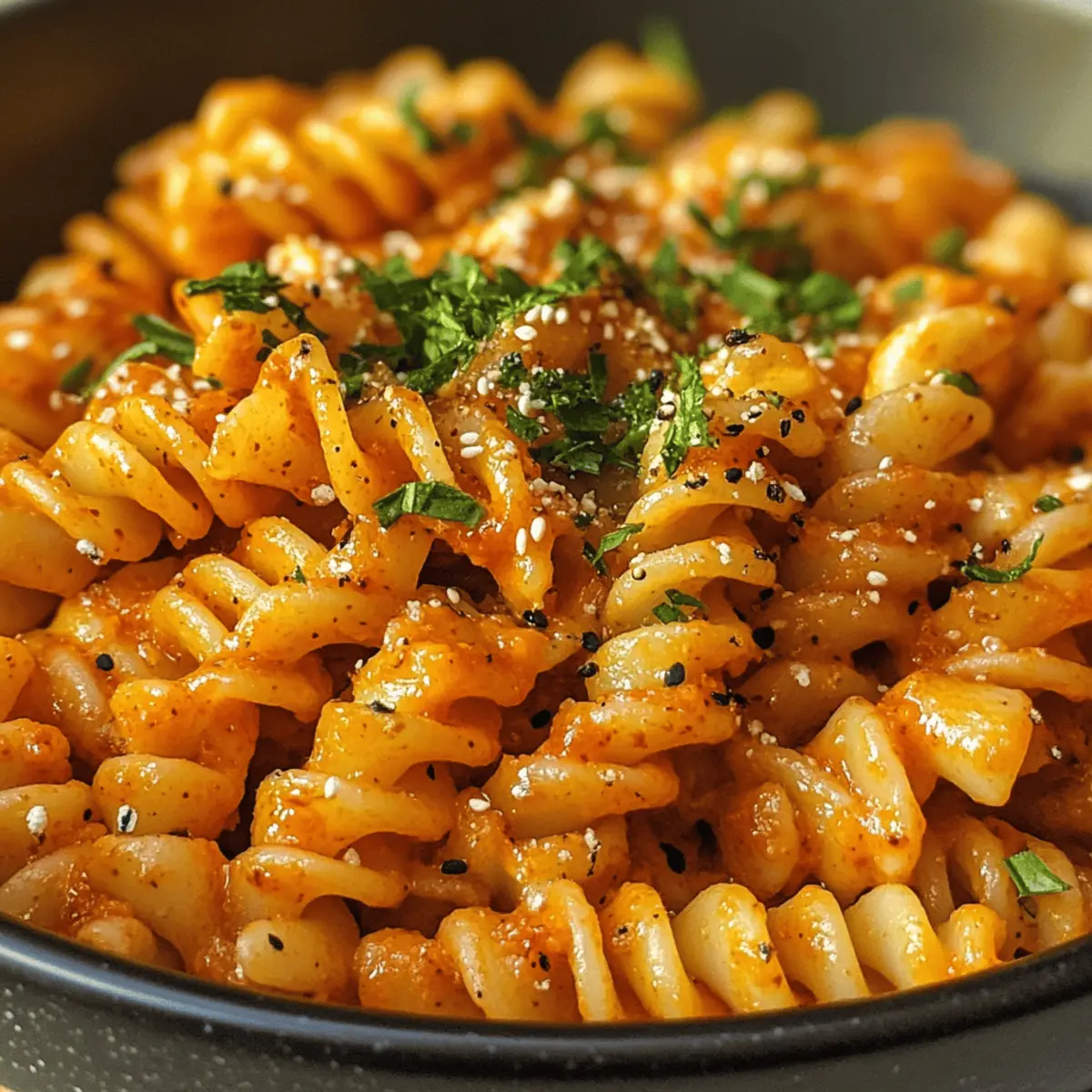
Why is Gochujang Pasta a Must-Try?
Unforgettable flavor fusion: This recipe combines creamy pasta with the bold, spicy notes of Gochujang, delivering a unique and satisfying taste experience.
Quick and easy: Whip up this dish in under 15 minutes—perfect for weeknight meals or last-minute dinner parties!
Tailor to your preferences: Customize with proteins like grilled chicken or shrimp, or make it vegan with plant-based cream and cheese.
Crowd-pleaser: Its delicious flavor and creamy texture make it a hit for family dinners or gatherings.
Vegan and gluten-free options: Enjoy the same rich taste while accommodating dietary needs. Pair it with a refreshing side salad or some Korean-style pickled radishes for a complete meal! Explore more inspiration with my Creamy Garlic Parmesan Chicken Pasta and Pot Pie Pasta recipes to elevate your cooking adventures.
Gochujang Pasta Ingredients
• Delight in the spicy, creamy goodness of Gochujang Pasta with these essentials!
For the Pasta
- Fusilli Corti Bucati Pasta – Any pasta shape works, but this one holds sauce beautifully.
For the Sauce
- Gochujang (Korean Red Chili Pepper Paste) – Check for gluten-free versions to maintain a rich, spicy depth.
- Garlic (minced or pressed) – Freshly minced garlic transforms the dish with its aromatic touch.
- Salted Butter – Adds creaminess; substitute with unsalted for more control over flavor.
- Olive Oil – Perfect for sautéing garlic and enhancing overall flavor without burning.
- Shredded Parmesan or Cheddar Cheese – For added creaminess and savory richness; any melty cheese will do!
- Heavy Cream – Ensures a luxurious texture; swap for plant-based alternatives for a vegan option.
- Freshly Ground Black Pepper – Adds an optional hint of spice that complements the Gochujang beautifully.
- Chopped Parsley – A fresh garnish to elevate color and taste when serving.
Step‑by‑Step Instructions for Gochujang Pasta
Step 1: Cook Pasta
Bring a large pot of salted water to a rolling boil over high heat. Once boiling, add the fusilli corti bucati pasta and cook for 7-12 minutes, or until al dente. Look for a slight firmness when biting into the pasta, then strain it in a colander and set aside, allowing the residual heat to keep it warm.
Step 2: Prepare Sauce
In a large sauté pan, heat 1 tablespoon of butter and 1 tablespoon of olive oil over medium heat. Once the butter melts and begins to bubble, add 2-3 minced garlic cloves. Sauté for about 30-60 seconds, stirring frequently, until you smell the aromatic garlic but it hasn’t browned, ensuring you maintain a vibrant flavor.
Step 3: Combine Ingredients
Stir in 2-3 tablespoons of gochujang and 1 cup of heavy cream to the pan, mixing well to combine. Let the sauce simmer gently for 1-2 minutes, allowing it to slightly thicken. You’ll notice the vibrant red color deepening and the flavors mingling beautifully, creating the perfect creamy sauce for your gochujang pasta.
Step 4: Mix Pasta and Sauce
Add the cooked pasta into the sauté pan, using tongs to toss it gently with the sauce. Make sure each strand is coated evenly with the creamy gochujang sauce. If needed, adjust the consistency by adding a splash of pasta water or more cream while stirring for an equally luscious result.
Step 5: Serve
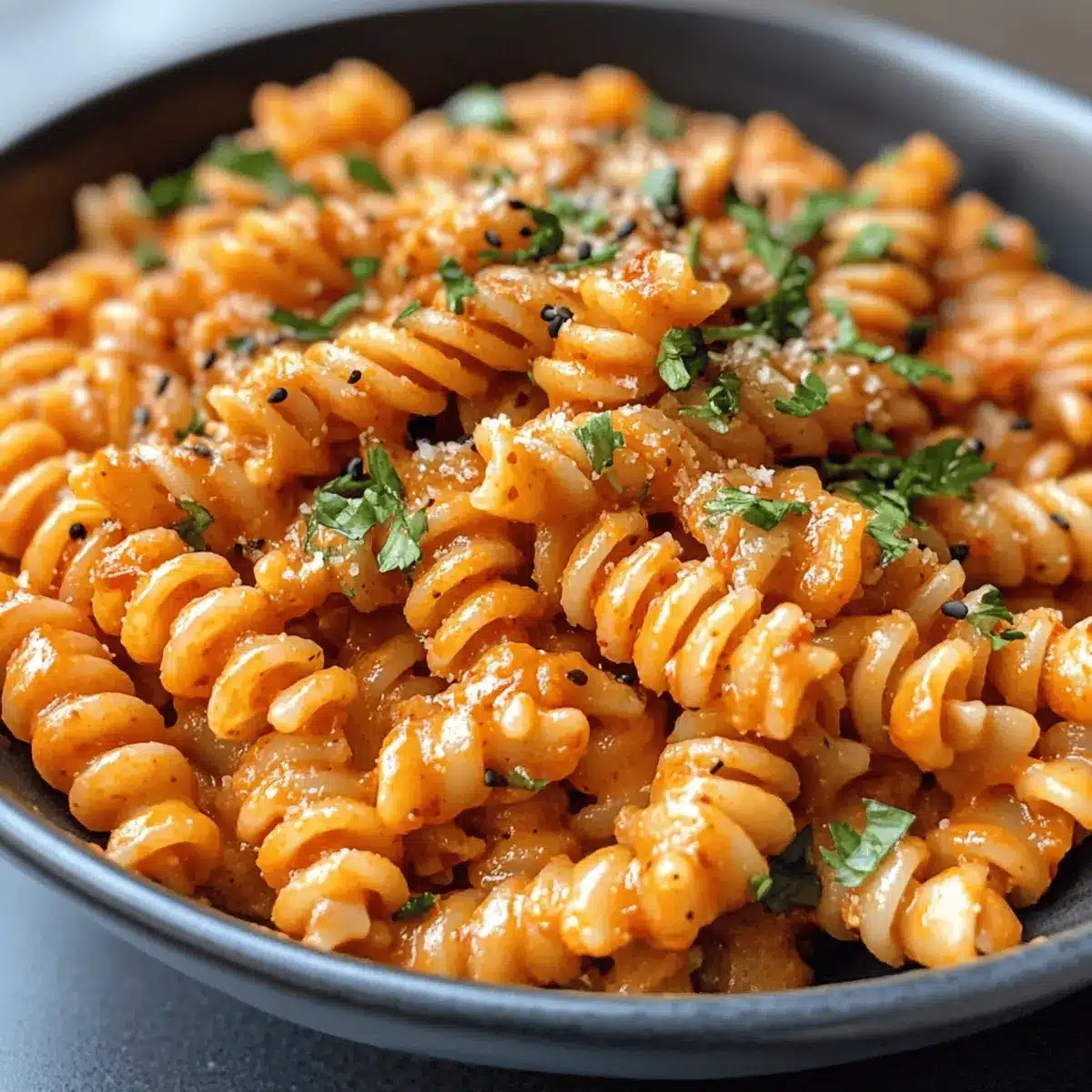
Transfer the delicious gochujang pasta onto serving plates. For a touch of freshness, sprinkle chopped parsley on top as a garnish. This dish is visually appealing with a rich hue and inviting aroma, ready to be enjoyed as a delightful and spicy meal!
Gochujang Pasta Variations & Substitutions
Feel free to get creative with this Gochujang Pasta recipe and make it your own with these delicious twists!
-
Gluten-Free: Use gluten-free pasta alternatives like brown rice or chickpea pasta for a safe swap without sacrificing flavor.
-
Vegan Makeover: Substitute heavy cream with coconut milk or almond milk, and replace cheese with a dairy-free alternative for a satisfying vegan dish.
-
Spicy Kick: Boost the heat by adding a pinch of red pepper flakes or diced fresh chili peppers; just be cautious, as Gochujang is already spicy!
-
Protein Options: Add cooked shrimp, grilled chicken, or even cubed tofu for extra heartiness; each protein complements the sauce beautifully.
-
Veggie-Packed: Toss in sautéed spinach, peas, or roasted butternut squash for added nutrition and a pop of color; it makes every bite special.
-
Noodle Variety: For a fun twist, try this recipe with ramen noodles or udon; the different textures enhance the overall experience.
-
Cheese Alternatives: Use cream cheese or ricotta for a creamy twist that changes the flavor profile while keeping it deliciously rich.
If you’re inspired by these variations, check out my Creamy Garlic Parmesan Chicken Pasta or Pot Pie Pasta for more creative meal ideas to spice up your dinners!
How to Store and Freeze Gochujang Pasta
Fridge: Store your Gochujang Pasta in an airtight container for up to 5 days. Allow it to cool completely before sealing to maintain freshness.
Freezer: For longer storage, freeze the Gochujang Pasta in a freezer-safe container for up to 3 months. Be sure to leave some space for expansion upon freezing.
Reheating: Thaw frozen pasta overnight in the fridge. Reheat gently in a pan over low heat, adding a splash of cream or pasta water to restore creaminess.
Serving Reminder: When serving leftovers, consider garnishing with fresh parsley for a touch of color and flavor enhancement, just as you would with freshly made Gochujang Pasta!
Expert Tips for Gochujang Pasta
-
Garlic Mastery: Avoid burning garlic by cooking it gently until fragrant; it should be golden, not brown, for optimal flavor.
-
Spice Adjustment: To tailor the heat level of your Gochujang Pasta, start with a smaller amount of gochujang and increase gradually to suit your taste.
-
Cream Consistency: If your sauce is too thick, add a splash of pasta water or more cream to reach the desired creamy consistency without losing flavor.
-
Cheese Choice: Use a cheese that melts well—Parmesan or cheddar are great, but feel free to experiment with your favorite melty cheese for a unique twist.
-
Garnish Wisely: Enhance the presentation of your dish by garnishing with freshly chopped parsley; it adds a pop of color and freshness to every serving.
Make Ahead Options
These Gochujang Pasta components are perfect for meal prep enthusiasts seeking to save time during busy weeknights! You can cook the fusilli and store it in an airtight container in the refrigerator for up to 3 days. Additionally, prepare the sauce by combining the garlic, butter, olive oil, Gochujang, cream, and cheese in advance, and refrigerate it for up to 24 hours. When you’re ready to serve, simply reheat the sauce on medium heat until warmed through, then add the cooked pasta and toss to coat, ensuring it remains just as delicious and satisfying! This way, you’ll have a comforting dinner ready in minutes with minimal effort.
What to Serve with Creamy Spicy Gochujang Pasta
Imagine a harmonious spread where vibrant flavors meet warm comforts, making every bite an adventure in taste!
-
Korean-style Pickled Radishes: These crisp, tangy bites provide a refreshing contrast to the creamy pasta, balancing the meal beautifully. A classic pairing that will brighten your table!
-
Garlic Bread: This buttery, toasted delight is perfect for soaking up the sauce, creating a satisfying combination of textures and flavors. Serve it warm and watch it disappear quickly!
-
Stir-Fried Vegetables: A medley of fresh veggies—think bell peppers, broccoli, and snap peas—adds color and nutrients while complementing the dish’s spicy profile. Get creative with your favorite seasonal vegetables!
-
Kimchi Salad: With its spicy, fermented tang, kimchi offers a vibrant complement to the pasta, enhancing your meal with a delightful crunch and a probiotic boost.
-
Cucumber Noodle Salad: Light and refreshing, this salad provides a cooling element to counterbalance the spiciness of the Gochujang Pasta. Drizzle with sesame dressing for an added flavor punch.
-
Cold Soba Noodles: Serve these chilled, dressed in a soy or sesame sauce, to provide a unique, textural contrast to the creamy pasta. It’s a fantastic nod to Asian cuisine!
-
Fruit Sorbet: End your meal on a sweet and refreshing note with a scoop of fruity sorbet. The icy treat will cleanse the palate after the rich, spicy pasta.
-
Chilled White Wine or Sparkling Water: A crisp, chilled glass magnifies the meal while refreshing your palate between bites. Pick a wine with fruity notes to harmonize with the flavors of the dish!
Gochujang Pasta Recipe FAQs
What kind of pasta should I use for Gochujang Pasta?
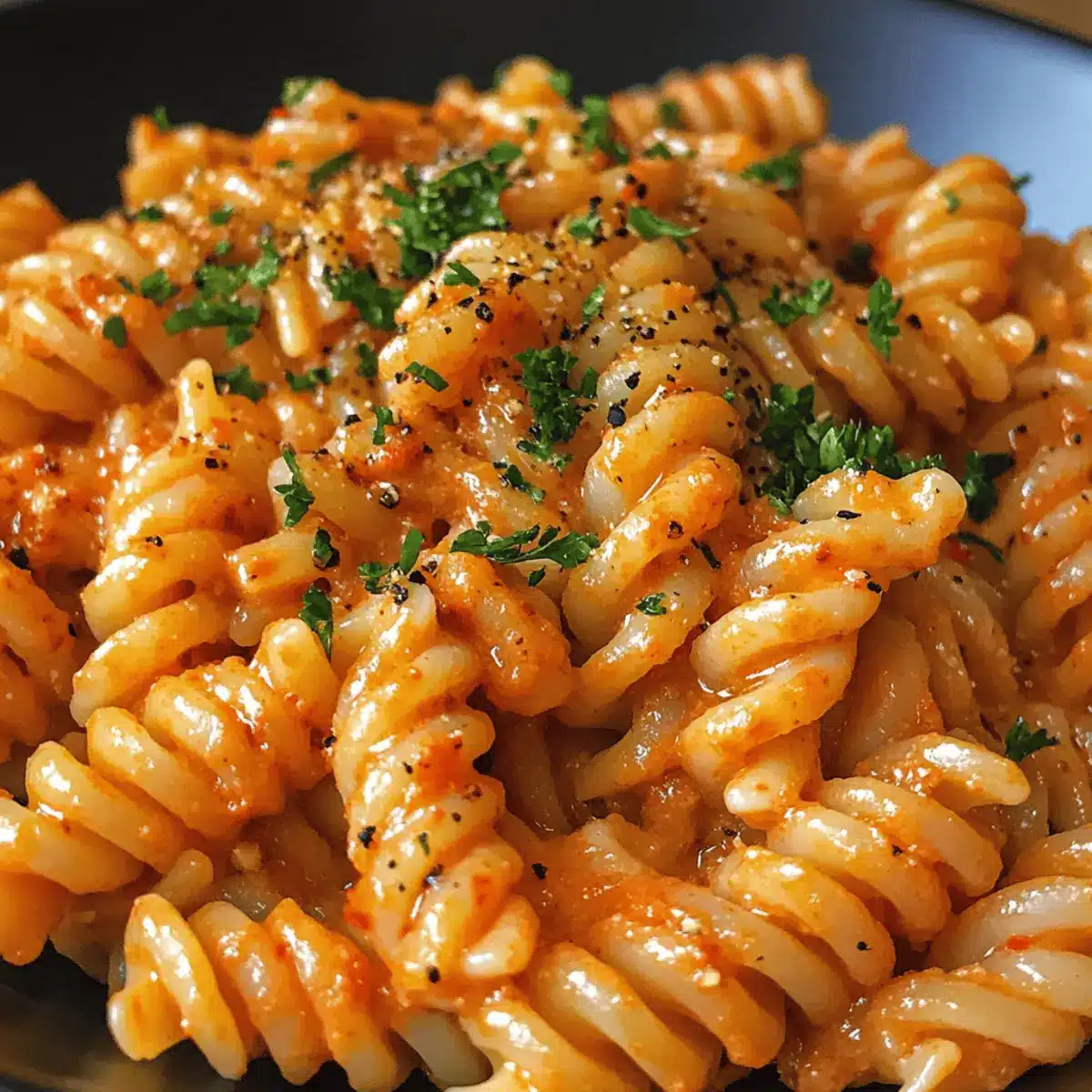
You can use any pasta shape you prefer, but I recommend Fusilli Corti Bucati because its unique shape holds the creamy sauce beautifully. Common alternatives like penne, fettuccine, or even gluten-free pasta will work just as well—so go with whatever you have on hand!
How should I store leftover Gochujang Pasta?
Store your Gochujang Pasta in an airtight container for up to 5 days in the refrigerator. It’s best to let the pasta cool to room temperature before sealing, ensuring freshness and preventing condensation buildup. When you’re ready to enjoy it again, simply reheat gently on the stove, adding a splash of cream or pasta water to bring back that creamy texture.
Can I freeze Gochujang Pasta?
Absolutely! To freeze, place your Gochujang Pasta in a freezer-safe container, leaving a little space at the top for expansion. It can be frozen for up to 3 months. When you’re ready to eat it, thaw overnight in the fridge and reheat gently in a saucepan over low heat, adding a bit of cream or pasta water to reclaim the luscious creaminess.
What if my Gochujang Pasta turns out too spicy?
If you find your Gochujang Pasta too spicy, don’t worry at all! You can dilute the heat by adding a little more heavy cream or topping it with a sprinkle of cheese. Additionally, pairing it with a cooling side, like a cucumber salad, can help balance the heat. The more the merrier when it comes to flavor combinations!
Are there any dietary considerations for Gochujang Pasta?
Yes, if you’re accommodating dietary needs, you can easily make this dish vegan by substituting heavy cream with coconut, almond, or soy milk and using a vegan cheese. Also, make sure to check your Gochujang for gluten-free certification if you have that concern. Always taste as you go to ensure the flavors suit your preferences.
How can I tell if my garlic is burnt while preparing Gochujang Pasta?
Burnt garlic will turn dark brown and have a bitter flavor, which can ruin your dish. Aim to sauté it until it’s just fragrant—about 30-60 seconds—is perfect. If you notice it starting to brown, lower your heat immediately and remove it from the pan. Trust me; you want that aromatic, gently cooked garlic elevating your creamy sauce!
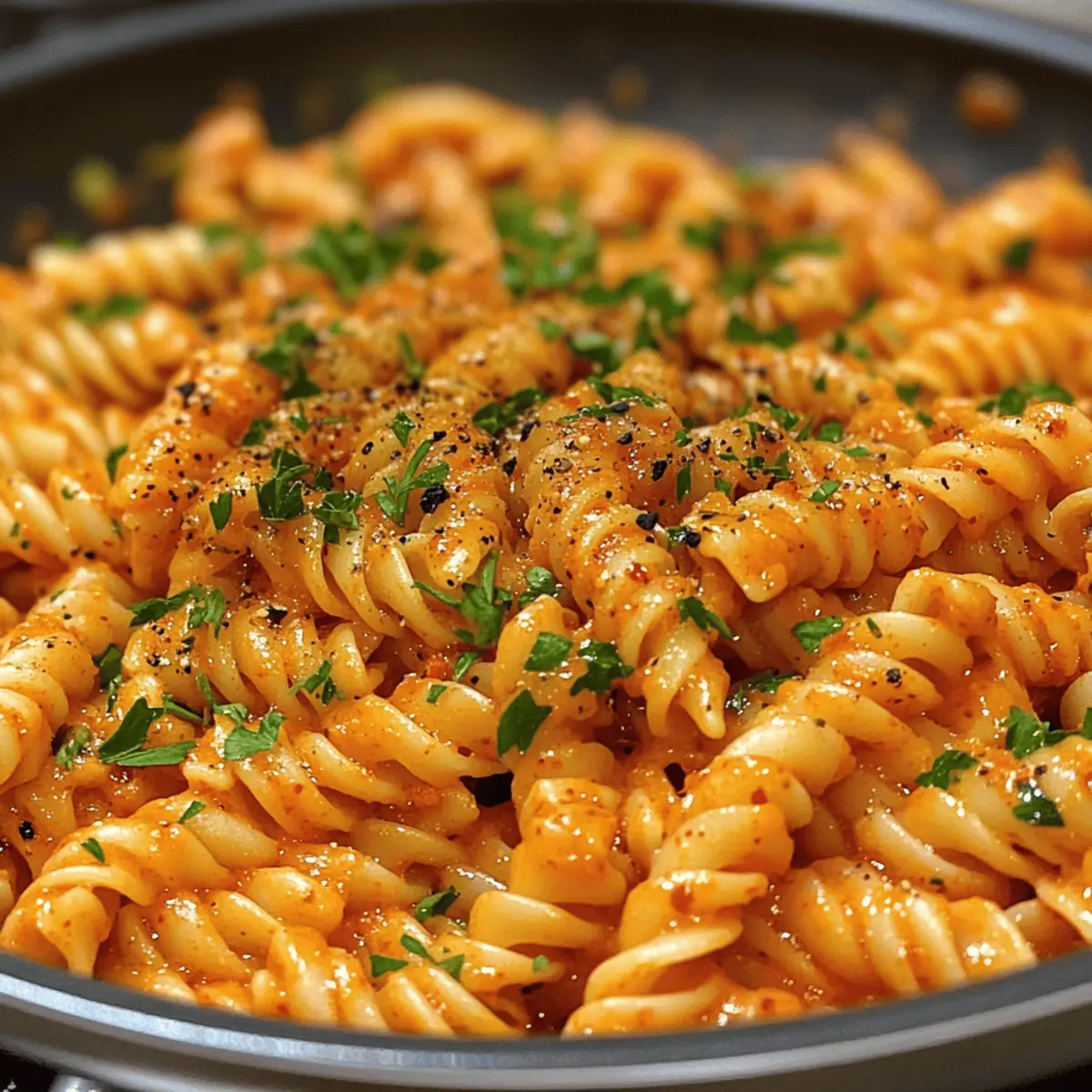
Spicy Gochujang Pasta: Creamy Comfort in Every Bite
Ingredients
Equipment
Method
- Bring a large pot of salted water to a rolling boil over high heat. Once boiling, add the fusilli corti bucati pasta and cook for 7-12 minutes, or until al dente. Strain in a colander and set aside.
- In a large sauté pan, heat 1 tablespoon of butter and 1 tablespoon of olive oil over medium heat. Once the butter melts, add 2-3 minced garlic cloves. Sauté for about 30-60 seconds until fragrant, avoiding browning.
- Stir in 2-3 tablespoons of gochujang and 1 cup of heavy cream, mixing well. Let the sauce simmer gently for 1-2 minutes to thicken.
- Add the cooked pasta to the sauté pan, using tongs to toss it gently with the sauce. Adjust consistency with pasta water or more cream as needed.
- Transfer the gochujang pasta onto serving plates and garnish with chopped parsley before serving.
Leave a Reply