
As I stood in my kitchen, the rich aroma of simmering broth wafted through the air, taking me straight to the cozy streets of Japan. When it comes to comfort food, nothing quite compares to a steaming bowl of homemade ramen broth. This recipe is a delightful journey, allowing you to craft a savory, umami-rich base that elevates any soup noodle experience. Perfectly tailored for both the serious home-chef and those seeking a healthier alternative to takeout, this ramen broth combines simple, wholesome ingredients with slow-cooked techniques for an authentic flavor. Whether you’re whipping up Shio, Shoyu, or Miso tare variations, the resulting broth promises warmth and satisfaction in every bite. Ready to take a culinary adventure that will impress your family and friends? Let’s dive into the wonderful world of ramen broth together!
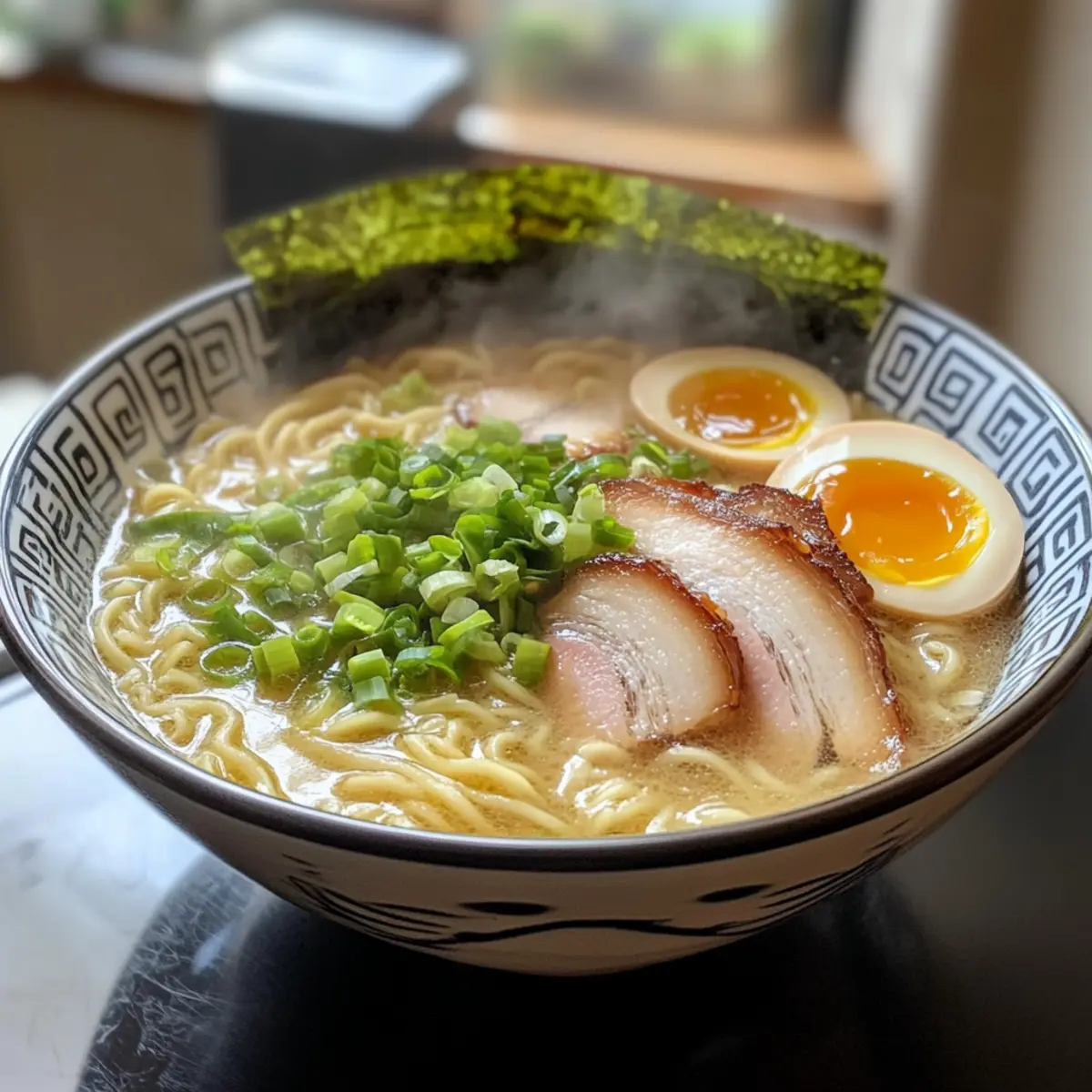
Why choose homemade ramen broth?
Authenticity matters: This recipe delivers an authentic taste that’ll transport you to Japan, rivaling even the best ramen shops.
Complex flavors: Combining chicken and dashi creates a deep umami flavor profile that’s both rich and comforting.
Versatile options: With choices for Shio, Shoyu, or Miso tare, you can easily customize the broth to suit your palate.
Time-saving: Save money and time by preparing this flavorful broth in batches, ensuring you always have delicious ramen on hand for those busy nights.
Crowd-pleaser: Whether for family dinners or casual gatherings, this ramen broth is sure to impress and satisfy everyone at the table!
Ramen Broth Ingredients
• Perfect your homemade ramen broth with these essential ingredients!
For the Dashi
- Kelp – Adds umami flavor to the dashi stock. Substitution: None, but can omit for a simpler dashi.
- Bonito Flakes – Contributes rich fish stock flavor. Substitution: Use anchovy flakes for a different flavor base.
- Dried Shiitake Mushrooms – Enhances the broth with earthy flavors. Substitution: Fresh shiitake can be used, but increase quantity.
For the Chicken Broth
- Chicken Carcasses – Forms the base for the chicken broth, rich in flavor. Substitution: Use additional chicken wings if carcasses are unavailable.
- Chicken Wings – Provides additional sweetness and depth to the broth. Substitution: Use a mix of bones and trimmings from other chicken parts.
- Onion – Adds natural sweetness and depth. Substitution: Leeks can be used for similar flavor.
- Garlic – Imparts aromatic notes. Note: Use whole cloves; do not chop.
- Ginger – Provides warmth and complexity. Substitution: Fresh ginger is preferred, but ground ginger can be a last resort.
For Flavoring
- Scallions – Enhances flavor and aroma. Substitution: Chives can work as a milder alternative.
- Sake – Adds depth and complexity to the broth. Substitution: Use dry sherry or Chinese rice wine.
- Mirin – Contributes sweetness and umami. Substitution: 1 tbsp of sake plus 1 tsp sugar.
- Salt – Essential for seasoning. Sea salt is preferred for optimal flavor.
For Tare Options
- Tare Ingredients (Shio, Shoyu, Miso) – Varies based on tare type but all add distinct flavors to the broth.
Step‑by‑Step Instructions for Authentic Homemade Ramen Broth
Step 1: Prepare Dashi
Begin preparing your dashi by soaking 10g of kelp, 30g of bonito flakes, and 3 dried shiitake mushrooms in 4 cups of cold water overnight in a large bowl. This soaking period allows the ingredients to release their umami flavors, which will enhance the overall taste of your ramen broth.
Step 2: Clean Chicken
While your dashi soaks, rinse 2 chicken carcasses and 2 pounds of chicken wings under cold water. Remove any organs and excess blood to ensure a clean broth. Once cleaned, pat them dry with a paper towel, preparing them for poaching to develop a rich, flavorful base for your ramen.
Step 3: Poach Chicken
In a large pot, bring 6 cups of water to a rolling boil and add the cleaned chicken. Allow the chicken to poach for about 5 minutes, then remove and strain the water, discarding any impurities. This step preps your chicken by removing unwanted flavors, ensuring that your ramen broth shines with clean savory notes.
Step 4: Make Broth
Return the poached chicken to the pot and add 10 cups of fresh water along with 1 chopped onion, 4 whole garlic cloves, and a 2-inch piece of unpeeled ginger. Bring this mixture to a boil, reduce the heat to low, and simmer gently for 3 hours, skimming off any scum that rises to the surface to keep your ramen broth clear.
Step 5: Simmer
Continue to simmer the broth gently, ensuring the heat remains low, to avoid cloudiness. After 2 hours, periodically stir in about 1 cup of your prepared dashi stock to maintain the broth’s depth of flavor, allowing the two bases to meld for a perfectly balanced ramen broth rich in umami goodness.
Step 6: Add Dashi Ingredients
In the final hour of simmering, add the soaked kelp, bonito flakes, and rehydrated shiitake mushrooms from your dashi preparation to the pot. Let these ingredients infuse their complex flavors into the broth for an additional hour, then strain the broth through a fine sieve into another pot to achieve a clear and silky finish.
Step 7: Prepare Tare
While the broth simmers, mix your tare ingredients based on your desired flavor: for Shio, combine sea salt with some dashi; for Shoyu, use soy sauce and some mirin; and for Miso, stir in a paste with a bit of broth. Prepare these in separate bowls to allow flavor customization when serving your ramen broth.
Step 8: Serve
To serve, ladle the hot ramen broth into bowls, adding 1-2 tablespoons of your chosen tare for flavor. Top with cooked ramen noodles, freshly sliced scallions, and any additional toppings you desire, such as soft-boiled eggs or nori. This authentic homemade ramen broth will delight your taste buds and transport you straight to Japan!
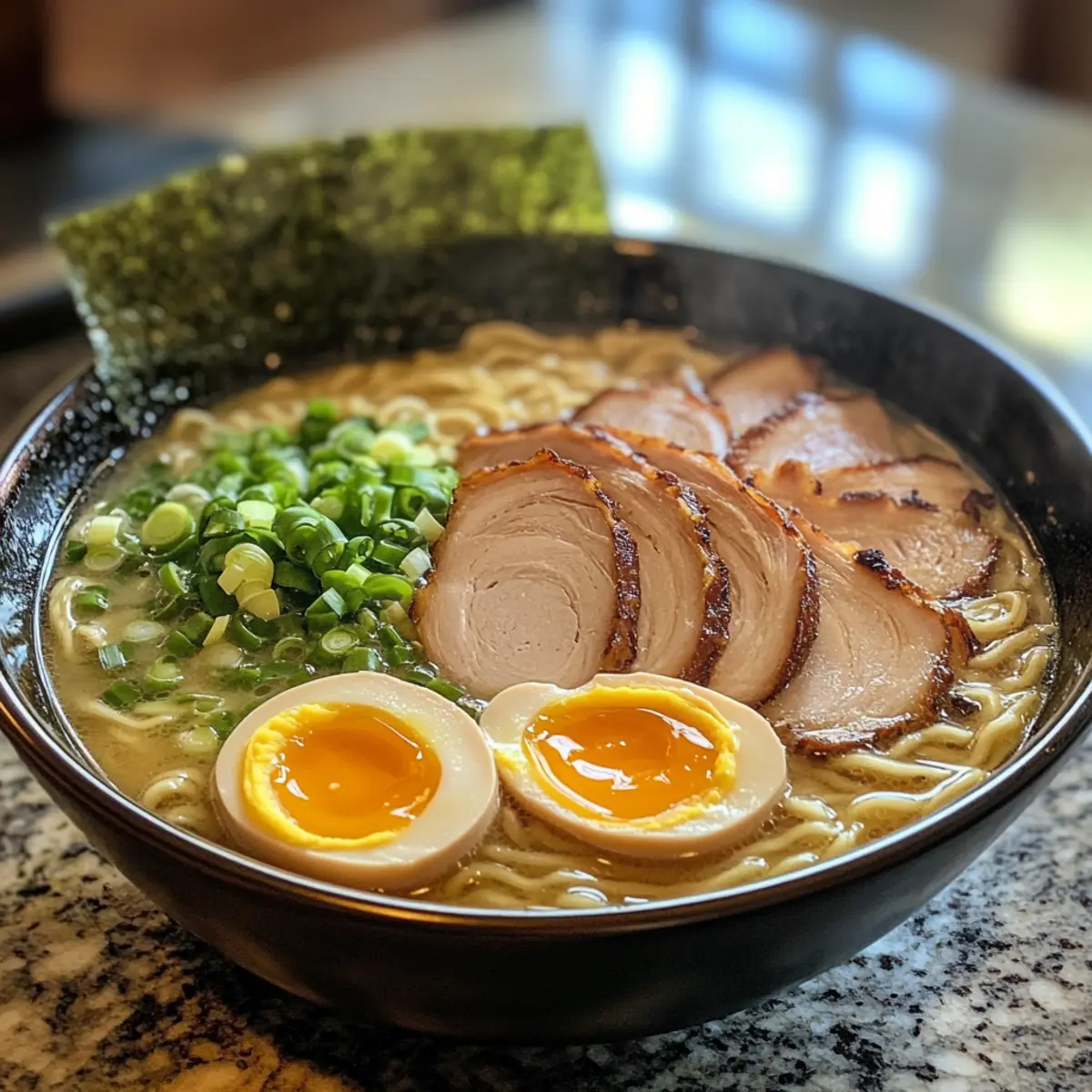
What to Serve with Homemade Ramen Broth
Nothing completes a comforting bowl of ramen broth quite like thoughtful pairings that elevate the entire meal experience.
-
Fresh Ramen Noodles: Their chewy texture absorbs the broth’s umami, making every bite incredibly satisfying. Paired with the rich broth, it creates a wonderfully comforting dish.
-
Soft-Boiled Eggs: Creamy yolks add a luscious richness, enhancing the overall flavor profile while looking lovely as a topping. Just remember to season them lightly with soy sauce for an extra touch of flavor.
-
Nori Sheets: These crispy seaweed sheets provide a delightful crunch and a hint of ocean flavor. They add visual appeal, enhancing your bowl’s texture and authenticity.
-
Chashu Pork: This tender, sweet pork adds decadence and heartiness to each serving. The flavor profiles of the pork complement the broth beautifully, creating a fulfilling and memorable meal.
-
Pickled Vegetables: The tangy zing of pickled ginger or pickled radishes brings a refreshing contrast that cuts through the richness of the broth. They brighten up the flavors and enhance the overall dining experience.
-
Scallion Garnish: Adding finely sliced scallions brings freshness and color to your ramen bowl. Their mild onion flavor complements the richness of the broth perfectly, making every bite vibrant and lively.
-
Chili Oil: For those who like a touch of heat, a drizzle of spicy chili oil takes your ramen to the next level. It adds depth and a kick that harmonizes beautifully with the umami flavors of the broth.
-
Crispy Garlic Chips: These crunchy chips offer a delightful savory crunch, enhancing the gourmet experience with their aromatic flavor. Sprinkle them over your bowl for an added layer of texture.
-
Sapphire Sake: Enjoy a chilled glass of sake alongside your ramen for a traditional pairing that enhances the umami notes, making for a true culinary adventure.
-
Green Tea: A warm cup of green tea cleanses the palate and complements the meal with its earthy undertones, balancing the richness of the broth beautifully.
Expert Tips for Ramen Broth
• Control the Heat: Simmering the broth too vigorously can make it cloudy. Keep the heat low for a clearer, more refined ramen broth.
• Don’t Rush Straining: Use a fine sieve to strain the broth carefully. A rushed job can leave behind unwanted solids that cloud the broth’s clarity.
• Batch and Store: Make extra broth and store leftovers in ziplock bags. It keeps in the fridge for 2 days or in the freezer for up to a month, perfect for quick ramen meals.
• Customize Your Tare: Experiment with the tare ingredients to find your favorite flavor combination, from the saltiness of Shio to the sweetness of Miso.
• Test the Umami: Always taste and adjust your seasoning throughout the cooking process to ensure a well-balanced and umami-rich ramen broth.
How to Store and Freeze Ramen Broth
Fridge: Store your homemade ramen broth in an airtight container in the fridge for up to 2 days. This ensures you can enjoy its rich, complex flavors within a short time.
Freezer: For longer preservation, freeze the broth in ziplock bags or ice cube trays. It can last up to a month and makes for easy, quick ramen meals whenever you’re craving a comforting bowl.
Reheating: To enjoy your frozen ramen broth, simply thaw it overnight in the fridge and reheat gently on the stove until hot, stirring occasionally for even warmth.
Portioning: Consider freezing the broth in individual servings, allowing you to conveniently grab just the right amount for a delicious homemade ramen experience without hassle.
Make Ahead Options
These Authentic Homemade Ramen Broth preparations are perfect for meal prep enthusiasts! You can prepare the basic broth components up to 24 hours in advance by soaking the kelp, bonito flakes, and shiitake mushrooms overnight. Additionally, clean and poach the chicken carcasses and wings a day ahead, storing them in the fridge. To maintain quality, refrigerate the broth in an airtight container and add dashi just before serving to boost flavor. When you’re ready to enjoy, simply simmer the broth with the dashi ingredients, finish with your chosen tare, and serve. This makes pulling together a delicious ramen dinner on busy weeknights a breeze!
Ramen Broth Variations & Substitutions
Feel free to switch things up and create your very own delicious twists on this beloved ramen broth recipe!
- Vegetarian: Swap chicken for an assortment of mushrooms like shiitake and oyster, and use vegetable broth for a hearty vegan-friendly option. This will still offer a rich depth of flavor while being kind to your diet.
- Gluten-Free: When preparing your tare, choose gluten-free soy sauce or tamari instead of regular soy sauce to keep your broth gluten-free without sacrificing taste. Your ramen can still be satisfying and delicious!
- Extra Umami: For an additional flavor boost, add a tablespoon of miso to your broth right at the end or stir it into your tare mixture. It enhances that savory richness, making each sip even tastier!
- Spicy Kick: Want some heat? Add a splash of chili oil or a few slices of fresh chili peppers during the final simmer. Just remember to taste as you go—spice levels can change quickly!
- Creamy Texture: For a silkier, creamier broth, consider blending a small portion of your strained broth with some cooked white beans, then stir it back in. This twist offers a lovely mouthfeel while boosting nutrition.
- Herbaceous Flavor: Add fresh herbs like basil or cilantro during the last half hour of simmering. These will bring a delightful freshness that complements the umami notes beautifully.
- Tare Customization: Feel free to tailor your tare further by adding garlic, sesame oil, or even a splash of rice vinegar to create flavor profiles that suit your individual taste. It’s all about making it your own!
Give these variations a try and discover just how versatile and exciting your homemade ramen broth can be! Don’t hesitate to explore these flavorful twists alongside your favorite toppings for the ultimate hearty bowl.
Ramen Broth Recipe FAQs
What kind of kelp should I use for dashi?
Absolutely! I recommend using kombu, as it’s the most common type of kelp for making dashi. Look for a dark green, leathery piece that is free of dark spots. If you can’t find kelp, you can omit it for a simpler broth, but you’ll miss that iconic umami richness.
How long can I store homemade ramen broth in the fridge?
You can store your homemade ramen broth in an airtight container in the fridge for up to 2 days. Just make sure it cools down before sealing it up to maintain freshness!
Can I freeze ramen broth?
Very much so! I often freeze leftovers in ziplock bags for quick meals. Simply pour the cooled broth into bags, seal, and lay them flat in the freezer. Your ramen broth will keep for up to 3 months this way. To reheat, just thaw overnight in the fridge and gently warm it on the stove.
What if my broth turns cloudy?
No worries! Cloudiness can occur if you boil the broth too vigorously. If this happens, just let it simmer gently again and use a fine sieve to strain out any impurities. Skimming off scum while cooking can also help maintain clarity.
Are there any dietary considerations for homemade ramen broth?
Absolutely! If you’re catering to dietary restrictions, you can easily adjust the tare. For vegan options, use miso tare and ensure that all other ingredients, like sake and mirin, are alcohol-free or substitute with vegan-friendly options. Always check labels for allergens, especially if you’re serving to others.
Can I use fresh shiitake mushrooms instead of dried?
Of course! You can substitute with fresh shiitake, but you may want to increase the quantity to about 1.5 to 2 times the amount since dried mushrooms are more concentrated in flavor. Just remember to sauté them briefly for additional depth!
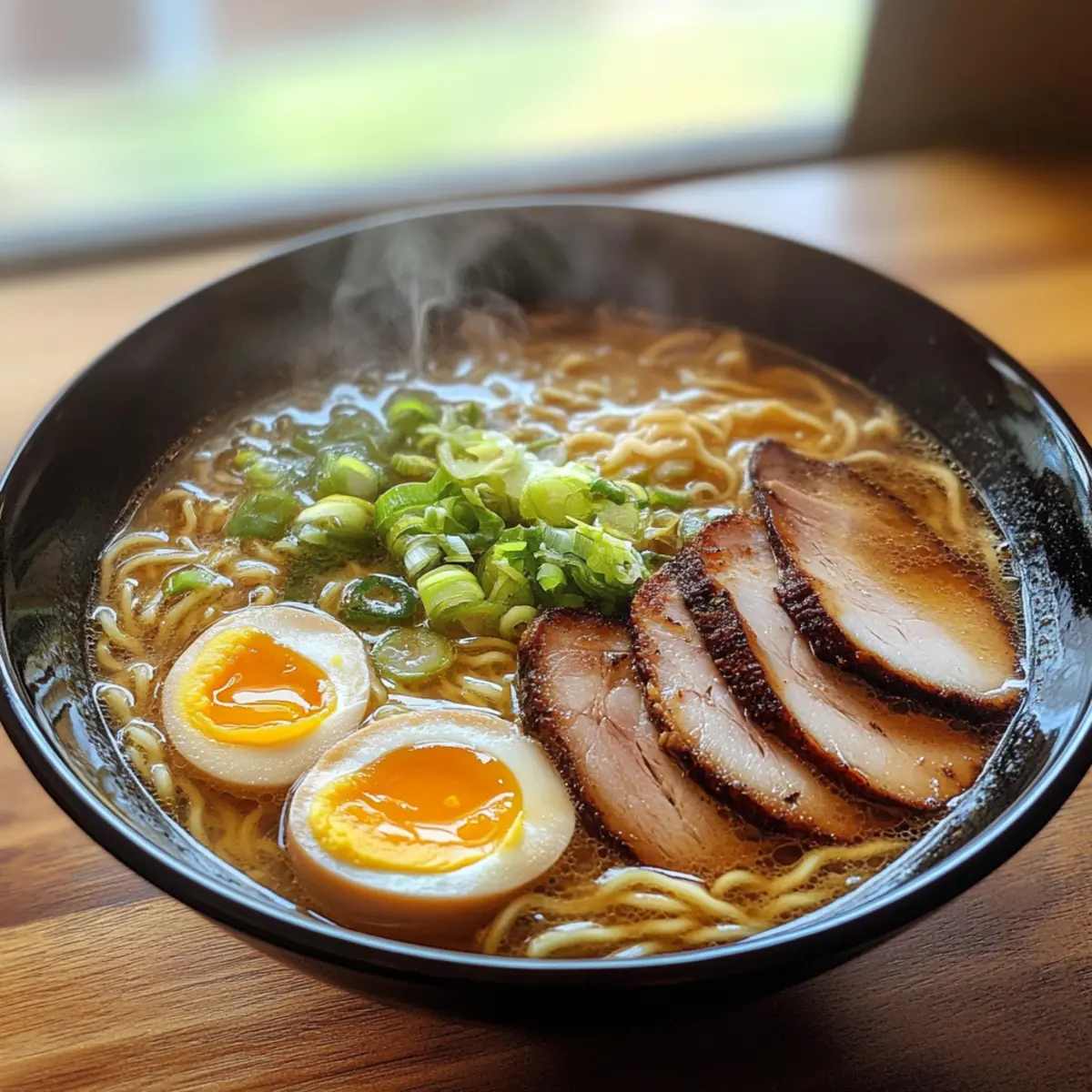
Flavor-Packed Ramen Broth That Beats Takeout Any Day
Ingredients
Equipment
Method
- Begin preparing your dashi by soaking 10g of kelp, 30g of bonito flakes, and 3 dried shiitake mushrooms in 4 cups of cold water overnight in a large bowl.
- This soaking period allows the ingredients to release their umami flavors, enhancing the overall taste.
- Rinse 2 chicken carcasses and 2 pounds of chicken wings under cold water, removing any organs and excess blood.
- Pat them dry with a paper towel.
- In a large pot, bring 6 cups of water to a rolling boil and add the cleaned chicken.
- Allow the chicken to poach for about 5 minutes, then remove and strain the water, discarding any impurities.
- Return the poached chicken to the pot and add 10 cups of fresh water along with 1 chopped onion, 4 whole garlic cloves, and a 2-inch piece of unpeeled ginger.
- Bring this mixture to a boil, reduce the heat to low, and simmer for 3 hours.
- Continue to simmer gently, stirring in about 1 cup of your prepared dashi stock after 2 hours.
- In the final hour of simmering, add the soaked kelp, bonito flakes, and rehydrated shiitake mushrooms from your dashi preparation.
- Strain the broth through a fine sieve into another pot.
- Mix your tare ingredients based on your desired flavor.
- Ladle the hot ramen broth into bowls, adding 1-2 tablespoons of your chosen tare.
- Top with cooked ramen noodles, freshly sliced scallions, and additional toppings.
Leave a Reply